Pilates for Back Pain Relief: Can It Help You Recover from Chronic Pain or Injury?
Contact Us
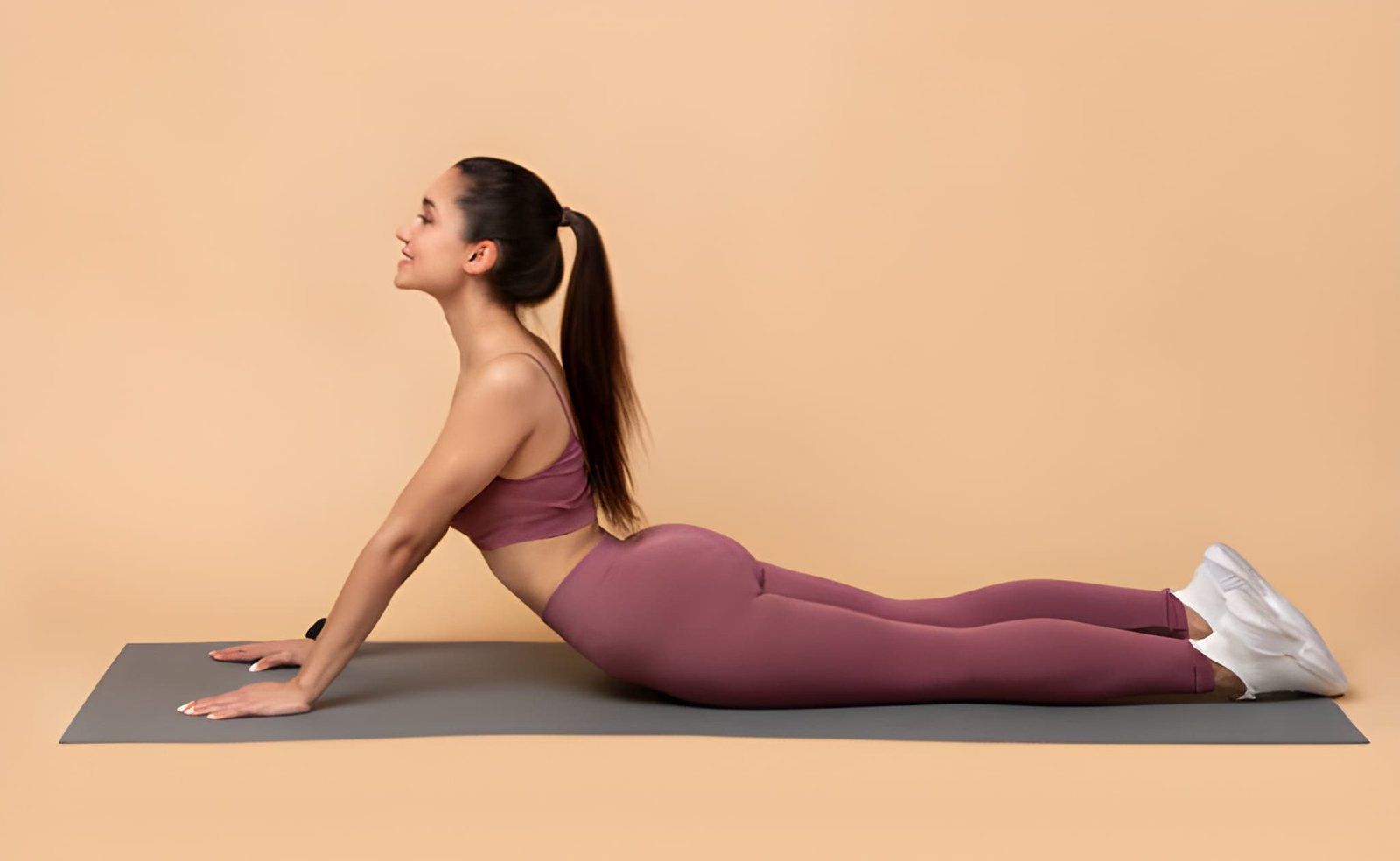
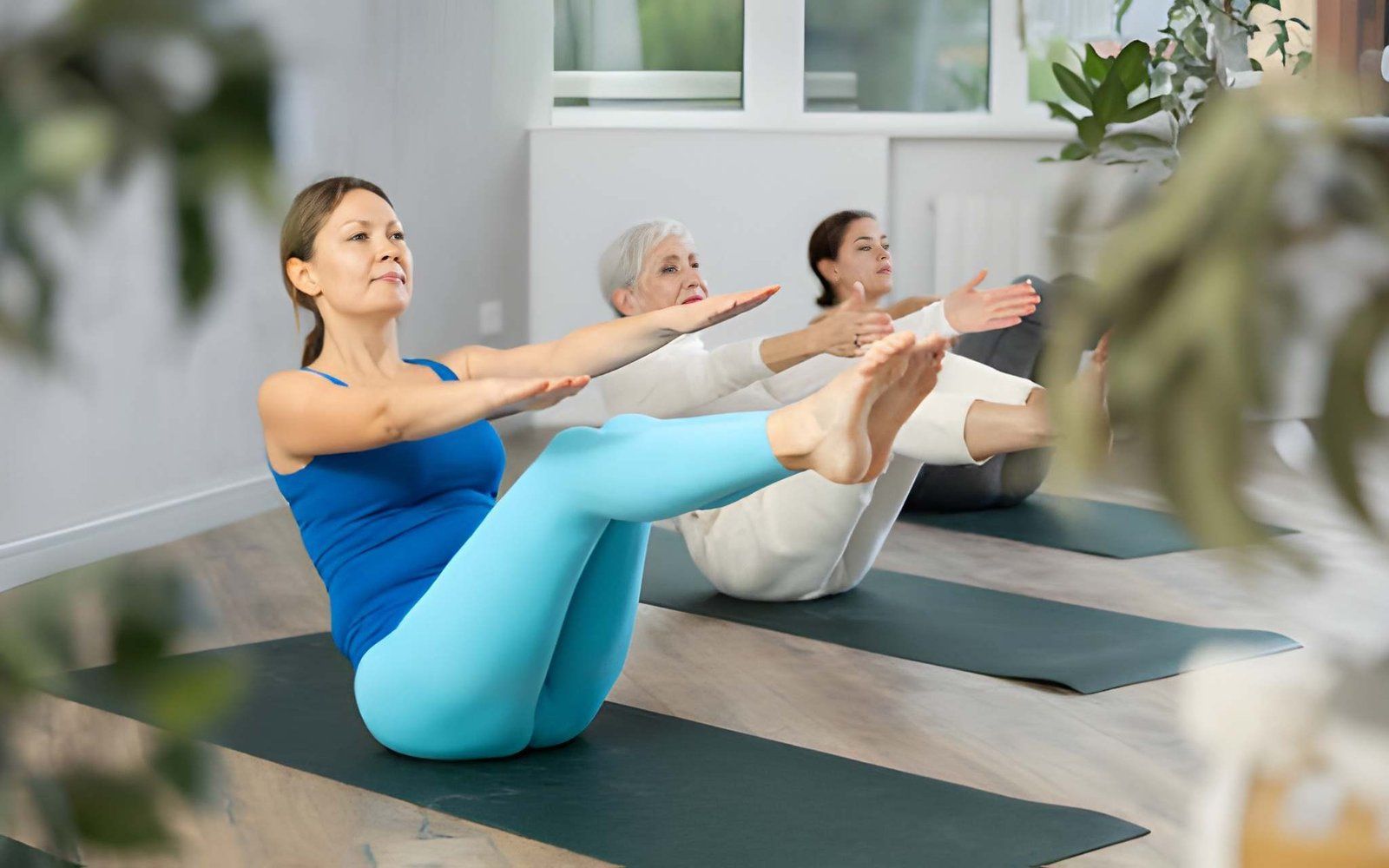
Pilates for back pain relief is becoming a trusted choice for people who want to reduce discomfort, improve movement, and strengthen their bodies without putting extra stress on the spine. If you're searching for local Pilates studios, you may already be taking the first step toward finding a safe and effective way to support your recovery. Whether your back pain comes from poor posture, muscle weakness, or a previous injury, Pilates focuses on controlled movements that help restore strength, balance, and flexibility over time.
Unlike high-impact workouts, Pilates trains the deep muscles that support your spine and pelvis. It also improves body awareness, helping you move more efficiently during everyday activities. While Pilates is not a replacement for medical care, many healthcare professionals recommend it as part of a long-term recovery plan once your condition has been properly assessed.
Key Takeaways
- Pilates helps strengthen the muscles that support the spine.
- It may reduce chronic back pain when practiced correctly.
- Beginners should start with guided instruction.
- Rehabilitation Pilates focuses on safe, controlled movements.
- Consistency is more important than intensity.
- Always speak with your healthcare provider before exercising after an injury.
Why Does Chronic Back Pain Develop?
Back pain is one of the most common health concerns among adults. It can develop gradually from poor posture, weak core muscles, repetitive movements, or spending long hours sitting. In other cases, it may begin after a sports injury, accident, or surgery. Although the causes vary, many people experience similar symptoms that affect their daily lives.
Common causes of chronic back pain include:
- Weak abdominal and back muscles
- Poor sitting posture
- Muscle imbalances
- Limited flexibility
- Previous injuries
- Lack of regular movement
Ignoring these problems often allows pain to become worse over time. Building strength safely is one of the best ways to support long-term recovery.
How Does Pilates for Back Pain Relief Work?
One of the reasons Pilates for back pain relief has become so popular is that it strengthens the body without placing excessive pressure on the joints. Every exercise focuses on controlled movement, proper breathing, and spinal alignment. Rather than isolating one muscle, Pilates teaches the body to work as a complete system.
As your deep core muscles become stronger, they provide better support for your spine during daily activities. Improved flexibility also helps reduce muscle tightness that can contribute to discomfort.
Regular Pilates sessions may help:
- Improve spinal stability.
- Increase core strength.
- Improve posture.
- Reduce muscle tension.
- Support healthy movement patterns.
- Build better balance.
These benefits develop gradually, making Pilates a practical option for long-term back care.
Can Pilates Help During Injury Rehabilitation?
For many people, the answer is yes. but timing is important. Rehab Pilates for injury focuses on gentle exercises that rebuild strength while protecting healing tissues. Instead of pushing your body too hard, rehabilitation Pilates uses carefully selected movements that improve stability and mobility at a comfortable pace.
However, not every injury heals in the same way. Before beginning any rehabilitation program, it's important to receive approval from your doctor or physical therapist. Once you're cleared for exercise, a qualified Pilates instructor can modify movements to match your current ability and recovery stage.
Starting slowly allows your body to regain confidence while reducing the risk of re-injury.
When Should You Start Pilates After an Injury?
One of the most common questions people ask is when to start Pilates after injury. The answer depends on the type of injury, your treatment plan, and how well your body is healing. There is no single timeline that works for everyone.
In general, you should wait until:
- Your healthcare provider approves exercise.
- Severe pain has decreased.
- Swelling is under control.
- You can move comfortably through basic daily activities.
- You can perform gentle movements without increasing pain.
Beginning too early may delay healing, while waiting too long can lead to weakness and stiffness. Working closely with medical professionals ensures you start at the right time.
Is Pilates Safe for an Injured Back?
Many beginners worry that exercise will make their pain worse. Fortunately, safe Pilates for injured back programs are designed specifically to avoid unnecessary strain. Instructors modify movements, reduce intensity, and focus on proper technique rather than difficult exercises.
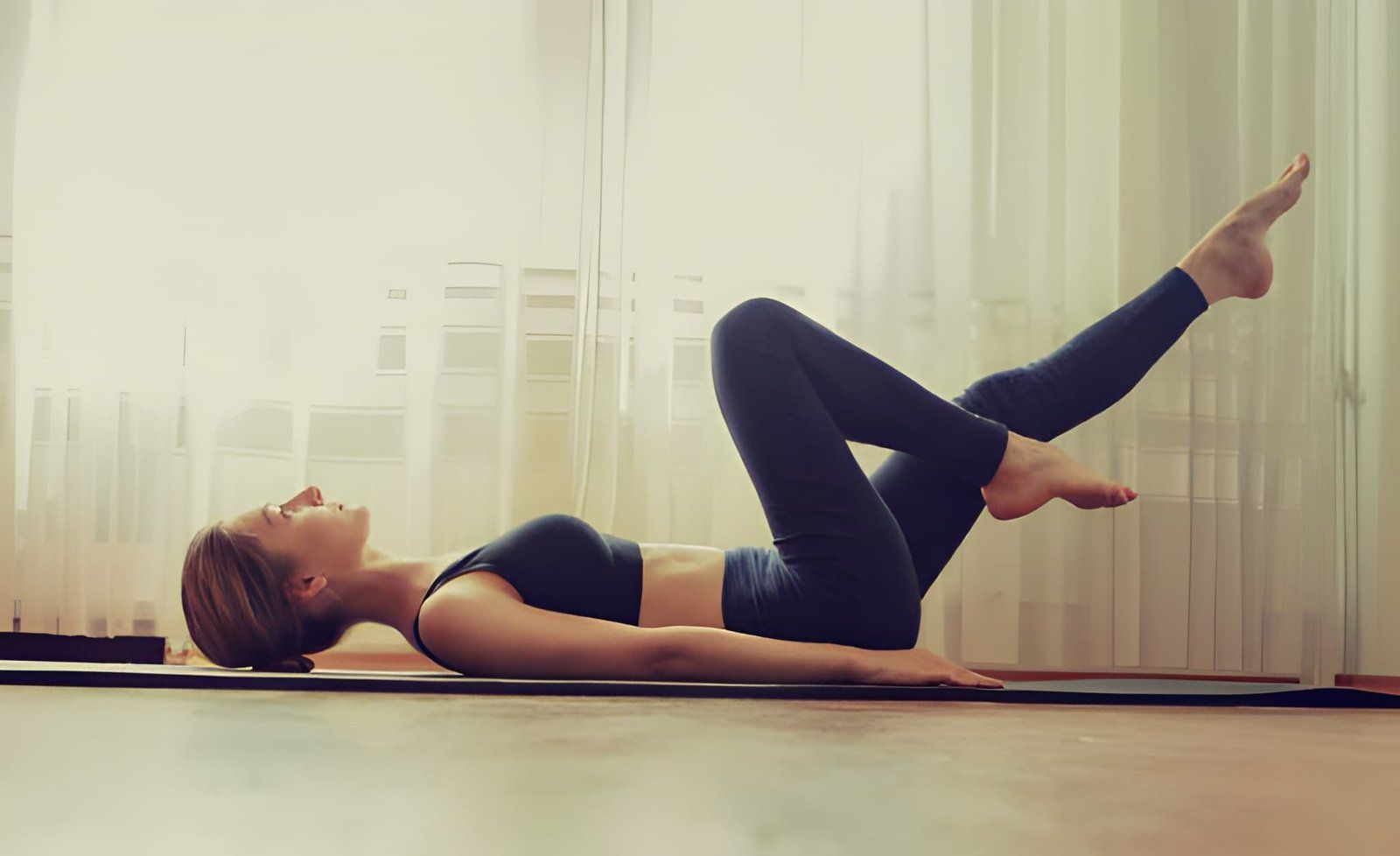
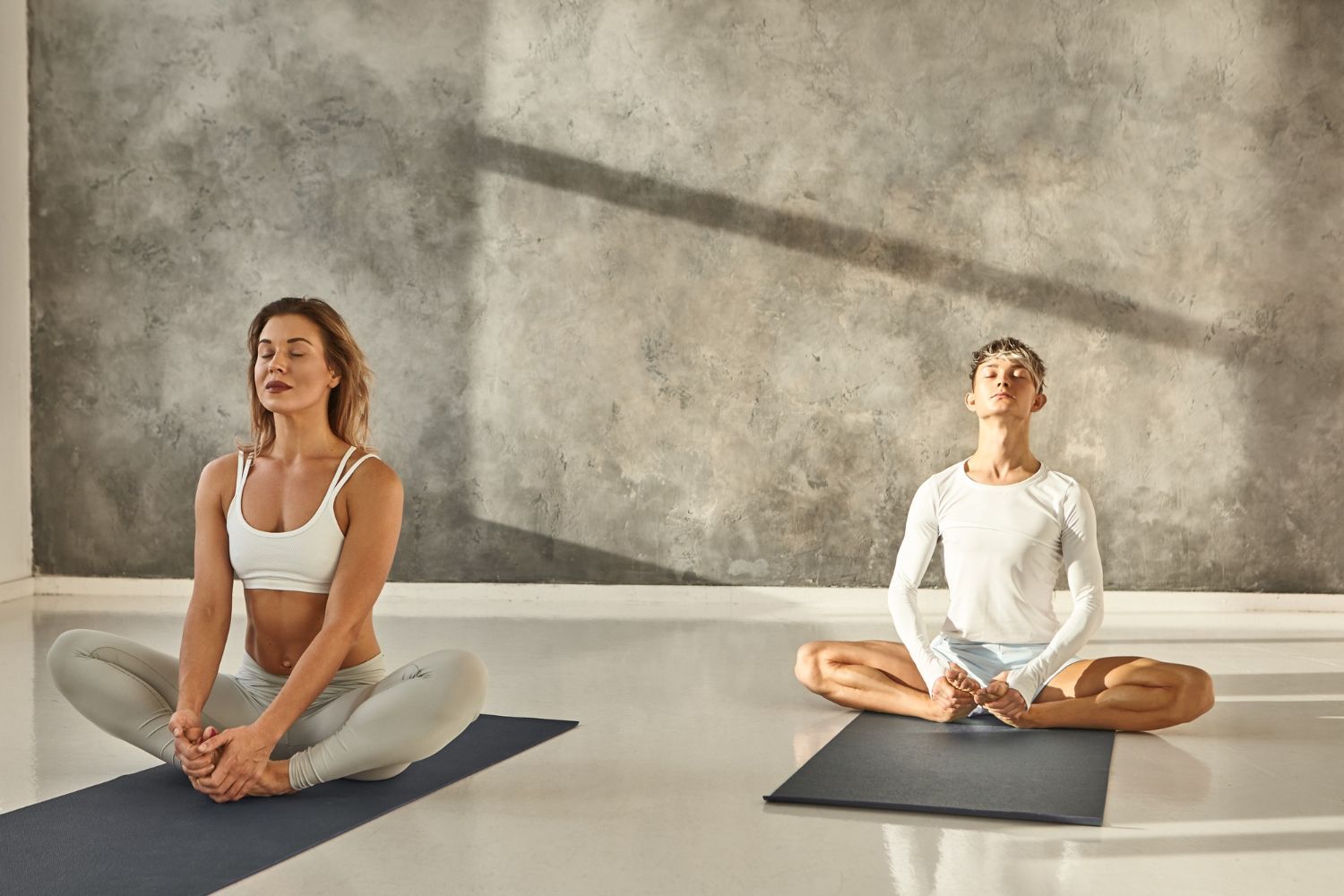
During rehabilitation, sessions often include breathing exercises, gentle stretching, pelvic stability work, and controlled core strengthening. These movements help restore confidence while encouraging healthy movement patterns.
Pain should never increase significantly during Pilates. Mild muscle fatigue is normal, but sharp or worsening pain should always be discussed with your instructor and healthcare provider.
Pilates vs Physiotherapy for Back Pain: What's the Difference?
Many people compare Pilates vs physiotherapy back pain treatments when looking for relief. While both can help, they have different goals. Physiotherapy usually focuses on diagnosing an injury, reducing pain, and restoring movement after an accident or medical condition. Pilates, on the other hand, is often used after the early stages of recovery to improve strength, flexibility, balance, and long-term spinal support.
In many cases, the two work well together rather than replacing each other. A physiotherapist may recommend Pilates once your condition has improved enough to begin a guided exercise program. This combined approach helps many people return to daily activities with greater confidence.
Pilates and physiotherapy each offer unique benefits:
- Physiotherapy helps treat the injury and manage pain.
- Pilates improves strength and movement after recovery begins.
- Both encourage better posture and body awareness.
- Together, they can support long-term back health.
For trusted information about physical activity and managing back health, visit the "National Institute of Arthritis and Musculoskeletal and Skin Diseases (NIAMS)". Their expert resources provide reliable guidance on back pain, treatment options, and staying active safely.
Benefits of Mat vs Reformer Rehab Pilates
If you're beginning rehabilitation, you may wonder about the benefits of mat vs Reformer rehab Pilates. Both methods improve strength and stability, but they offer different experiences depending on your needs and fitness level.
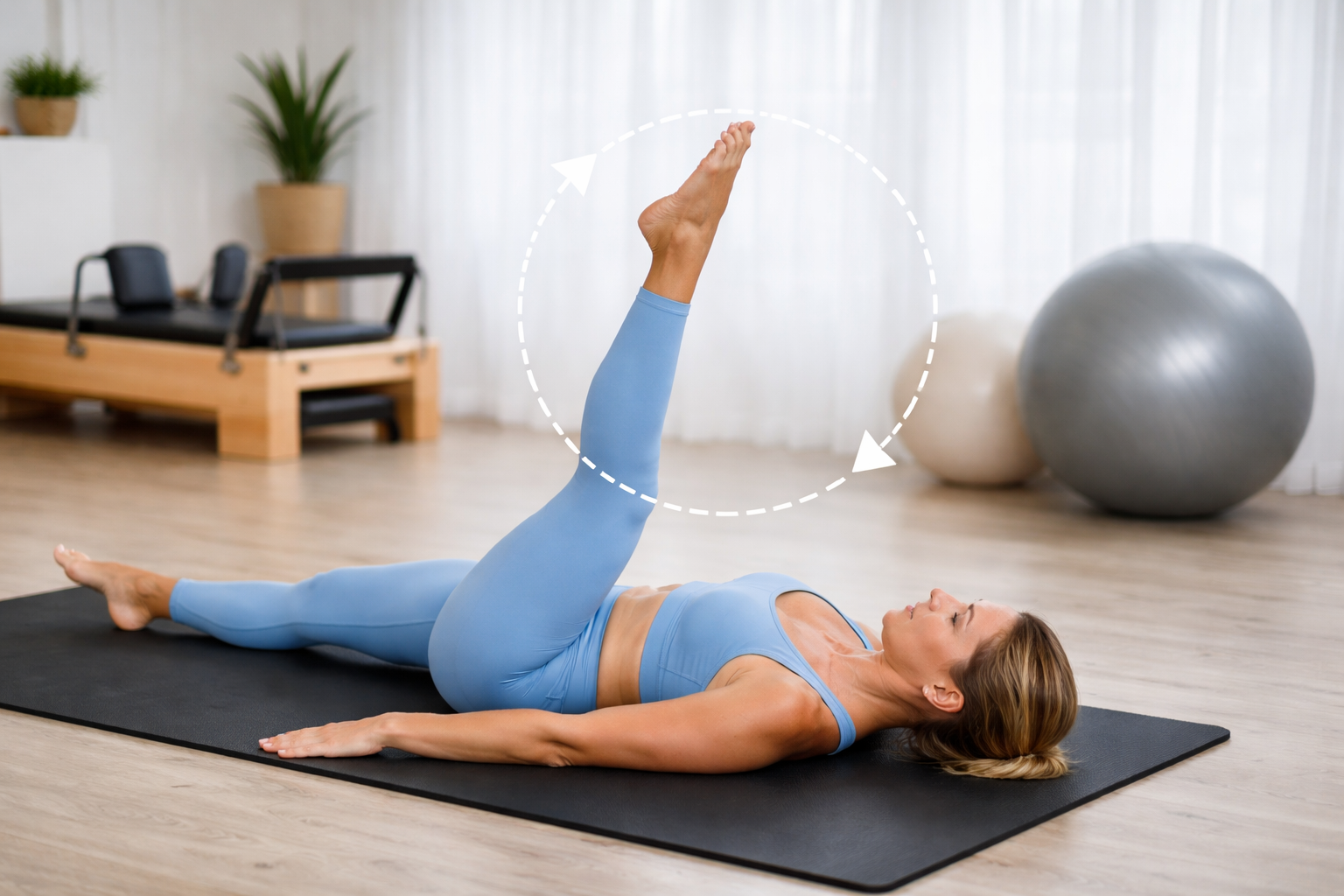
Mat Pilates uses body weight for resistance and teaches proper movement patterns without equipment. It is ideal for learning the basics and improving body control. Reformer Pilates uses a machine with adjustable springs that provides support while allowing exercises to be modified. This makes it useful for people recovering from certain injuries because movements can often be adjusted more precisely.
Your instructor will recommend the most suitable option based on your mobility, strength, and recovery goals.
Common Mistakes to Avoid During Recovery
Recovering from back pain requires patience. Trying to do too much too soon can slow your progress and increase discomfort. Instead of focusing on difficult exercises, aim to build a strong foundation through correct technique and consistent practice.
Avoid these common mistakes:
- Skipping your warm-up.
- Holding your breath during exercises.
- Ignoring pain signals.
- Rushing through movements.
- Practicing without proper guidance.
Listening to your body and following professional advice will help you recover more safely.
Simple Habits That Support Your Recovery
Pilates works best when combined with healthy everyday habits. Small changes in the way you move throughout the day can reduce pressure on your spine and support the progress you make during each session.
Helpful habits include:
- Sitting with good posture.
- Taking regular movement breaks.
- Sleeping on a supportive mattress.
- Lifting heavy objects correctly.
- Staying physically active within your comfort level.
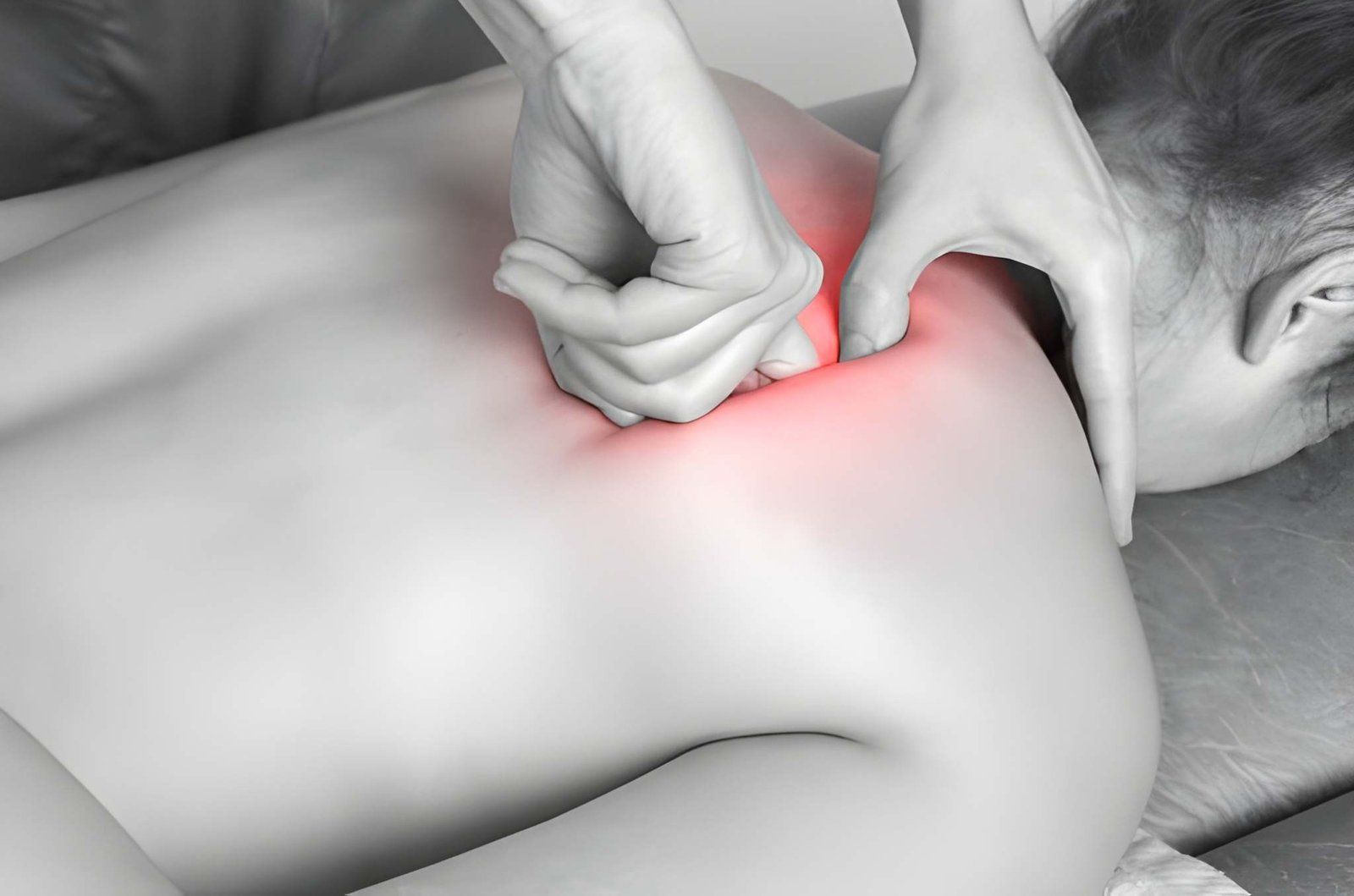
Some people also benefit from massage therapy bozeman services to help reduce muscle tightness alongside a supervised Pilates program. Others choose health coaching to build healthier daily routines that support long-term recovery.
Who Can Benefit from Pilates?
Pilates is suitable for many different people because exercises can be modified to match individual abilities. Whether you're recovering from an injury or simply looking to protect your back, Pilates offers a gentle way to improve movement and strength.
It may be especially helpful for:
- Office workers with long hours of sitting.
- Older adults interested in "Pilates for Active Aging".
- Professionals with busy schedules exploring Pilates for Busy Professionals.
- Women reading about the 10 Life-Changing Benefits of Pilates for Women Over 30.
- Individuals researching Pilates For Weight Loss In 2026 as part of a balanced wellness routine.
Beginners who want to continue learning may also enjoy resources such as the Ultimate Beginner's Guide To Low Impact Workouts & Pilates before progressing to more advanced classes.
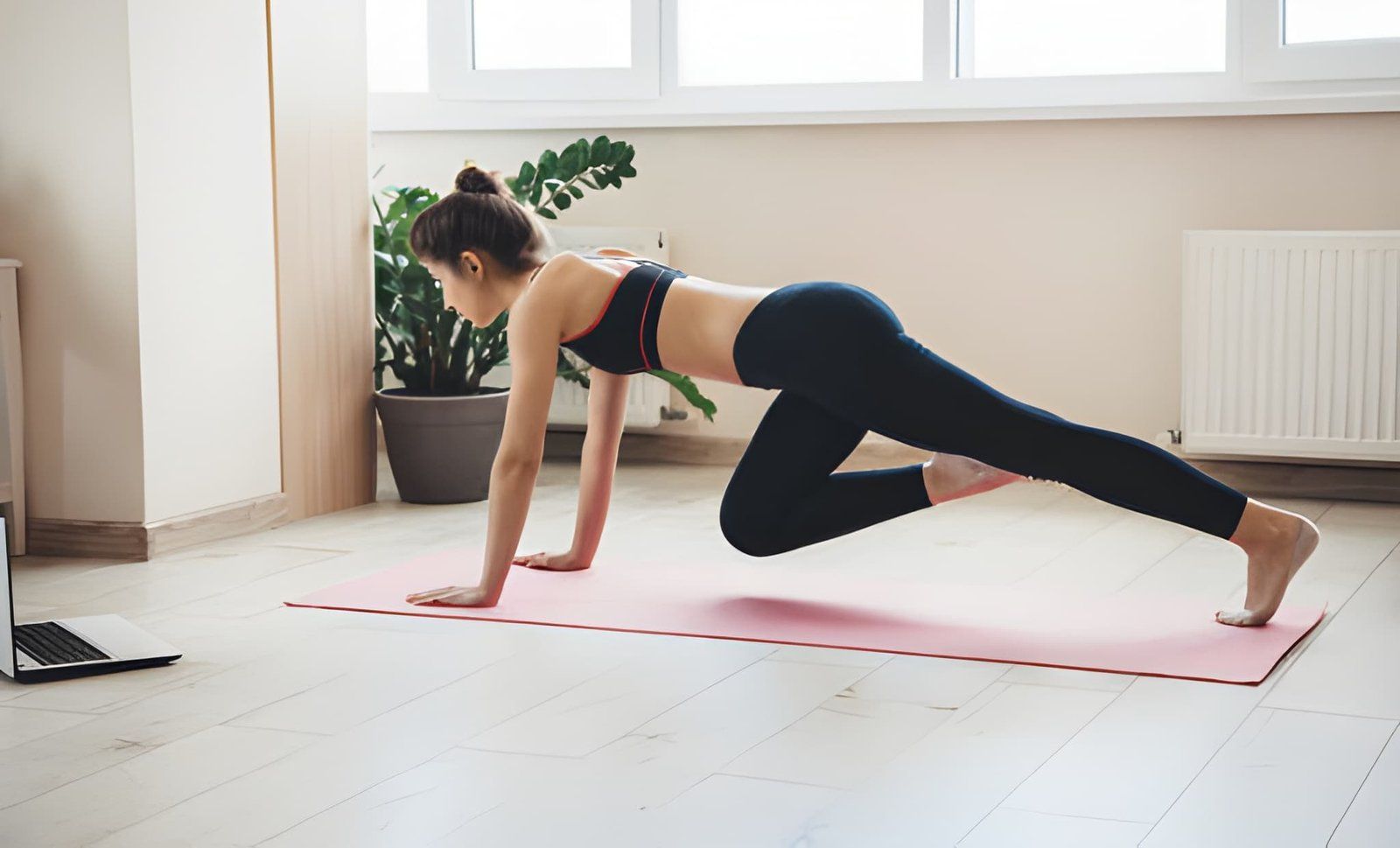
If you're practicing at home, starting with 5 Simple Pilates Exercises You Can Do can help you build confidence. As your strength improves, you can gradually progress to "5 Pilates Moves That Will Transform Your Flexibility In 30 Days" to increase mobility and overall movement quality.
Conclusion
Pilates for back pain relief can be an excellent way to improve strength, flexibility, and spinal stability when performed correctly. While it is not a cure for every back condition, it helps many people move with greater comfort by strengthening the muscles that support the spine. The key is to begin at the right time, use proper technique, and progress gradually under professional guidance.
Ready to take the next step toward a stronger, healthier back? Contact our team today to learn how our personalized Pilates programs can support your recovery and help you move with confidence.
Frequently Asked Questions
1. Is Pilates good for chronic back pain?
Yes. Pilates can help strengthen the muscles that support the spine, improve posture, and increase flexibility. Many people experience reduced discomfort when practicing regularly under professional guidance.
2. Can I do Pilates if I have a back injury?
It depends on your condition. Always consult your doctor or physiotherapist before starting Pilates after an injury. Once cleared, modified exercises can support safe recovery.
3. How often should I practice Pilates for back pain?
Most beginners benefit from two to three sessions each week. Consistency is more important than long or intense workouts.
4. Is Mat Pilates or Reformer Pilates better for rehabilitation?
Both can be effective. Mat Pilates improves body awareness and control, while Reformer Pilates offers adjustable resistance and additional support. Your instructor can recommend the best option based on your recovery.
5. How long does it take to notice improvements?
Many people notice better movement, posture, and reduced muscle tension within a few weeks of regular practice. Long-term results depend on consistency and following the correct exercise program.