Pilates For Weight Loss In 2026: Fat Burning & Body Transformation Guide
Contact Us
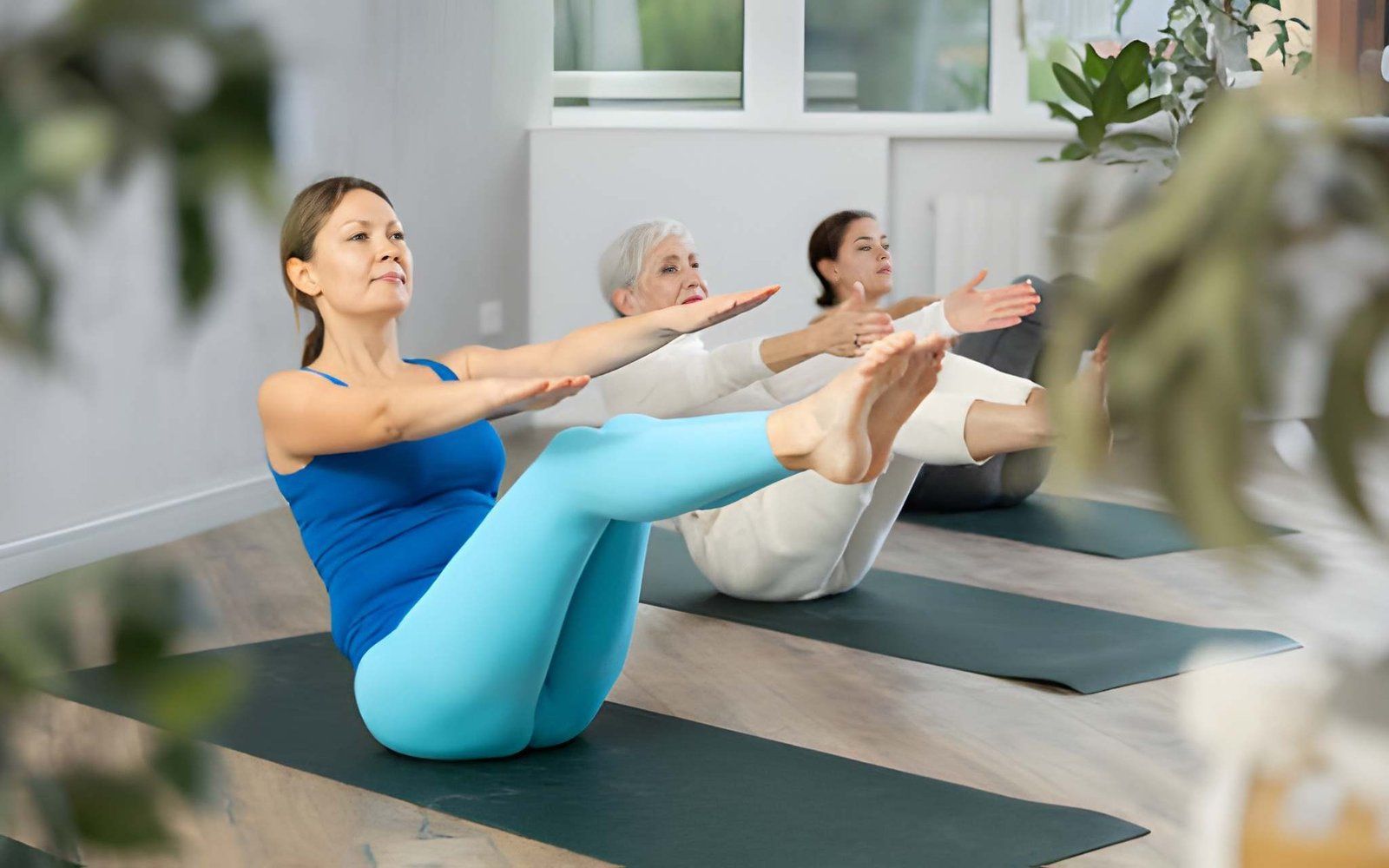
Losing weight is no longer just about exhausting gym sessions or strict crash diets. In 2026, more people are looking for sustainable workouts that improve strength, flexibility, posture, and overall wellness together. That’s why pilates for weight loss has become one of the most talked-about fitness approaches among beginners, busy professionals, and even older adults.
Many people still think Pilates is “just stretching,” but that’s far from the truth. A well-structured Pilates routine can help improve muscle tone, support fat loss, increase movement consistency, and completely transform the way your body feels and functions.
Whether you regularly visit a pilates studio, combine your workouts with massage therapy, or follow guidance through health coaching, Pilates can become an important part of a long-term wellness routine that feels realistic and sustainable.
In this guide, we’ll break down how Pilates actually supports fat loss, what kind of body transformation you can realistically expect, and how to structure your routine for the best results.
Can Pilates Really Help You Lose Weight?
Yes, Pilates can absolutely support weight loss — but not in the unrealistic “lose 10 pounds in one week” way social media sometimes promises.
Pilates helps with weight loss by:
- Improving consistency with movement
- Building lean muscle
- Supporting better posture and body alignment
- Increasing daily activity levels
- Reducing stress-related eating habits
- Improving mobility and reducing pain barriers
- Supporting long-term healthy habits
The biggest reason people succeed with Pilates is sustainability. Unlike workouts that leave you exhausted or injured, Pilates is low-impact and adaptable, making it easier to stay consistent for months instead of quitting after two weeks.
That consistency is what drives real fat loss and long-term body transformation.
Understanding Fat Loss vs Weight Loss
A lot of people become frustrated because the scale doesn’t move quickly enough. But body transformation is about much more than numbers.
Pilates is especially effective for:
- Improving muscle definition
- Tightening the waistline
- Strengthening the core
- Improving posture
- Creating a leaner appearance
Sometimes people lose inches before they lose significant weight. Better posture alone can completely change how your body looks.
This is why many clients notice visible changes in photos and clothing fit even before dramatic scale changes happen.
Why Pilates Works Well For Modern Lifestyles
One major reason Pilates continues growing in popularity is because it works well for busy schedules and demanding routines. Many people searching for Pilates for Busy Professionals want workouts that improve fitness without adding more stress to their day.
Pilates sessions are flexible, low-impact, and easier to recover from compared to extremely intense workout programs. Even shorter sessions can improve posture, mobility, and energy levels after long hours of sitting at a desk.
Many professionals also combine Pilates with:
- Walking
- Better nutrition habits
- Health coaching support
- Recovery-focused wellness routines
- Massage therapy sessions
This combination creates a much more sustainable fitness lifestyle compared to extreme workout plans that are difficult to maintain.
Pilates Calories Burned: What To Expect
Let’s be realistic.
Pilates usually doesn’t burn as many calories as running or high-intensity interval training during the workout itself. However, calorie burn is only one piece of the fat-loss equation.
Average calorie estimates for 30 minutes:
| Workout | Estimated Calories Burned |
|---|---|
| Pilates | 150–200 |
| Weight Training | 100–180 |
| Running | 250–350 |
| Cycling | 200–300 |
The reason Pilates still works for fat loss is because it improves:
- Movement consistency
- Muscle endurance
- Recovery
- Daily activity levels
- Injury prevention
Many people can do Pilates more consistently than intense cardio because it’s easier on the joints and nervous system.
How Pilates Supports Lean Muscle & Metabolism
Pilates helps strengthen and tone muscles throughout the body, especially:
- Core
- Glutes
- Legs
- Back
- Shoulders
Building lean muscle helps support metabolic health because muscle tissue burns more energy than fat tissue.
While Pilates is not a “metabolism hack,” it absolutely supports:
- Better movement efficiency
- Improved body composition
- Increased strength
- Better posture
- Improved recovery
Reformer Pilates can be especially effective because it adds resistance and progressive overload.
Stress, Recovery & Long-Term Results
One underrated benefit of Pilates is stress reduction.
Chronic stress can negatively affect:
- Sleep
- Appetite control
- Recovery
- Hormones
- Energy levels
Pilates uses controlled breathing and mindful movement, which helps calm the nervous system.
This is one reason many people notice:
- Reduced bloating
- Better sleep
- Improved energy
- Less emotional eating
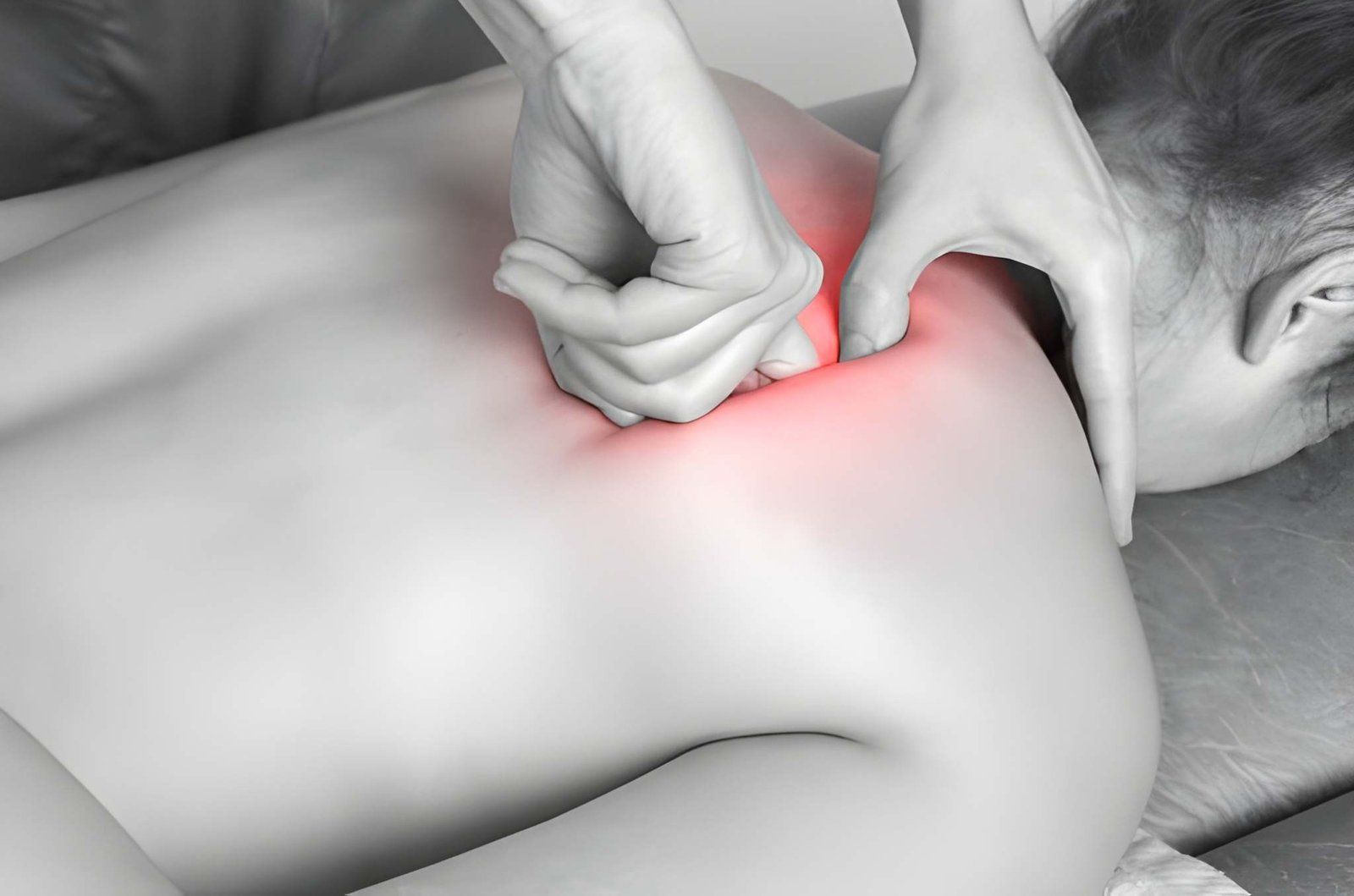
Recovery also plays a major role in body transformation. Many wellness professionals now discuss How Massage Therapy Enhances Athletic Recovery because recovery quality directly affects workout performance, soreness, and consistency. Combining Pilates with massage therapy can help reduce tension, improve circulation, and support flexibility. Pilates & Injury Recovery
Another reason Pilates has become so popular is because it can be adapted for different fitness levels and physical limitations. Many people researching How Pilates Helps with Injury Recovery are looking for workouts that strengthen the body without adding excessive joint stress.
Pilates focuses heavily on:
- Core stability
- Controlled movement
- Mobility
- Posture
- Alignment
This makes it useful for people recovering from:
- Back pain
- Knee discomfort
- Muscle imbalances
- Sports injuries
- Poor posture caused by desk work
Because exercises can be modified easily, Pilates is often recommended as part of rehabilitation and long-term movement health programs.
Pilates & Healthy Aging
Another growing trend is Pilates for Active Aging, especially among adults who want to maintain mobility, balance, and strength as they get older.
Pilates supports:
- Joint-friendly strength
- Better posture
- Improved flexibility
- Core stability
- Better movement confidence
This makes it one of the most sustainable fitness approaches for long-term health and movement quality.
Beginner-Friendly Pilates Exercises
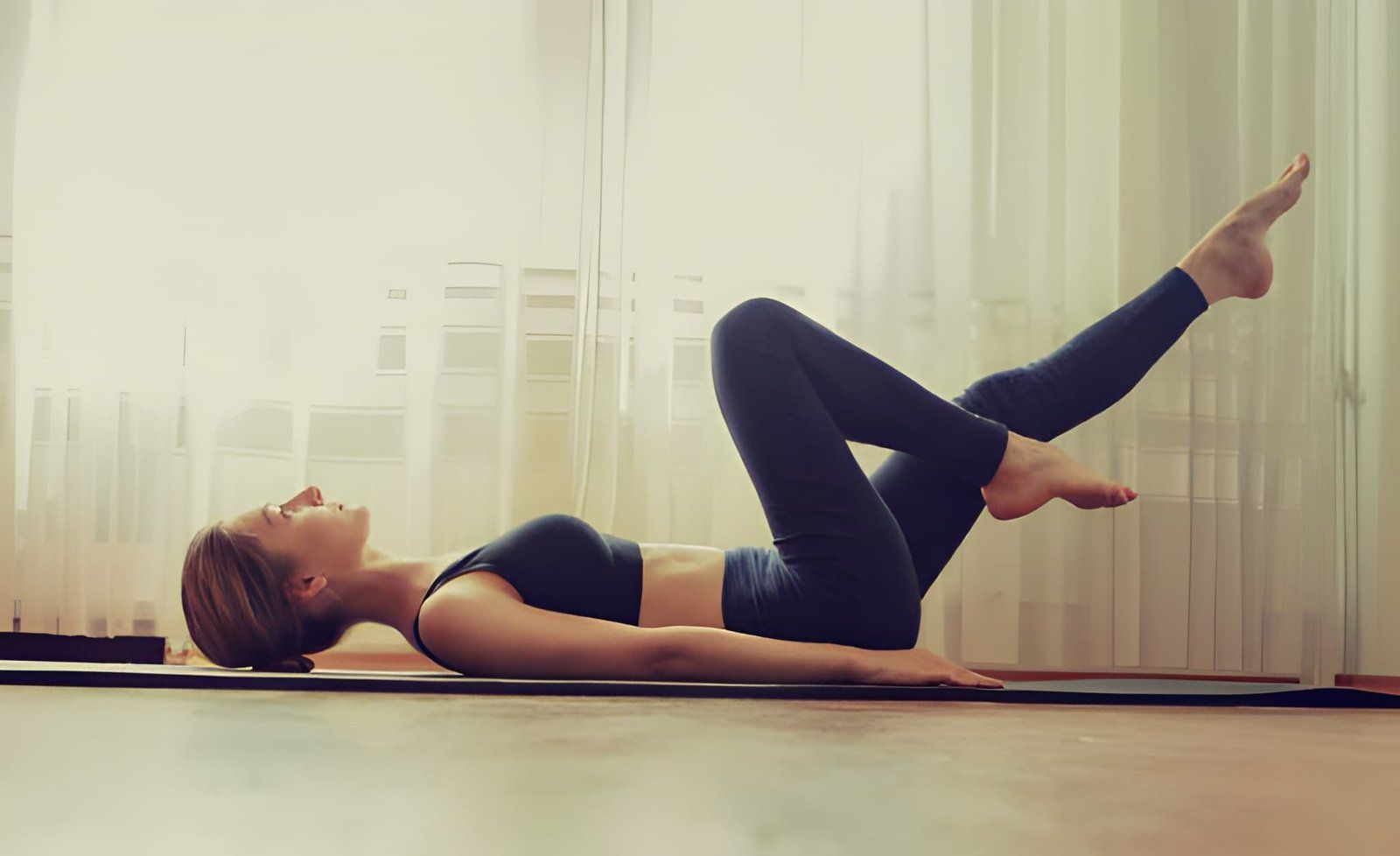
If you’re new to Pilates, start with simple foundational movements that improve strength and mobility without overwhelming the body. Many beginner routines include movements similar to the 5 Simple Pilates Exercises often recommended for building core strength and stability.
These beginner-friendly exercises may include:
- Glute bridges
- Bird dog
- Dead bug
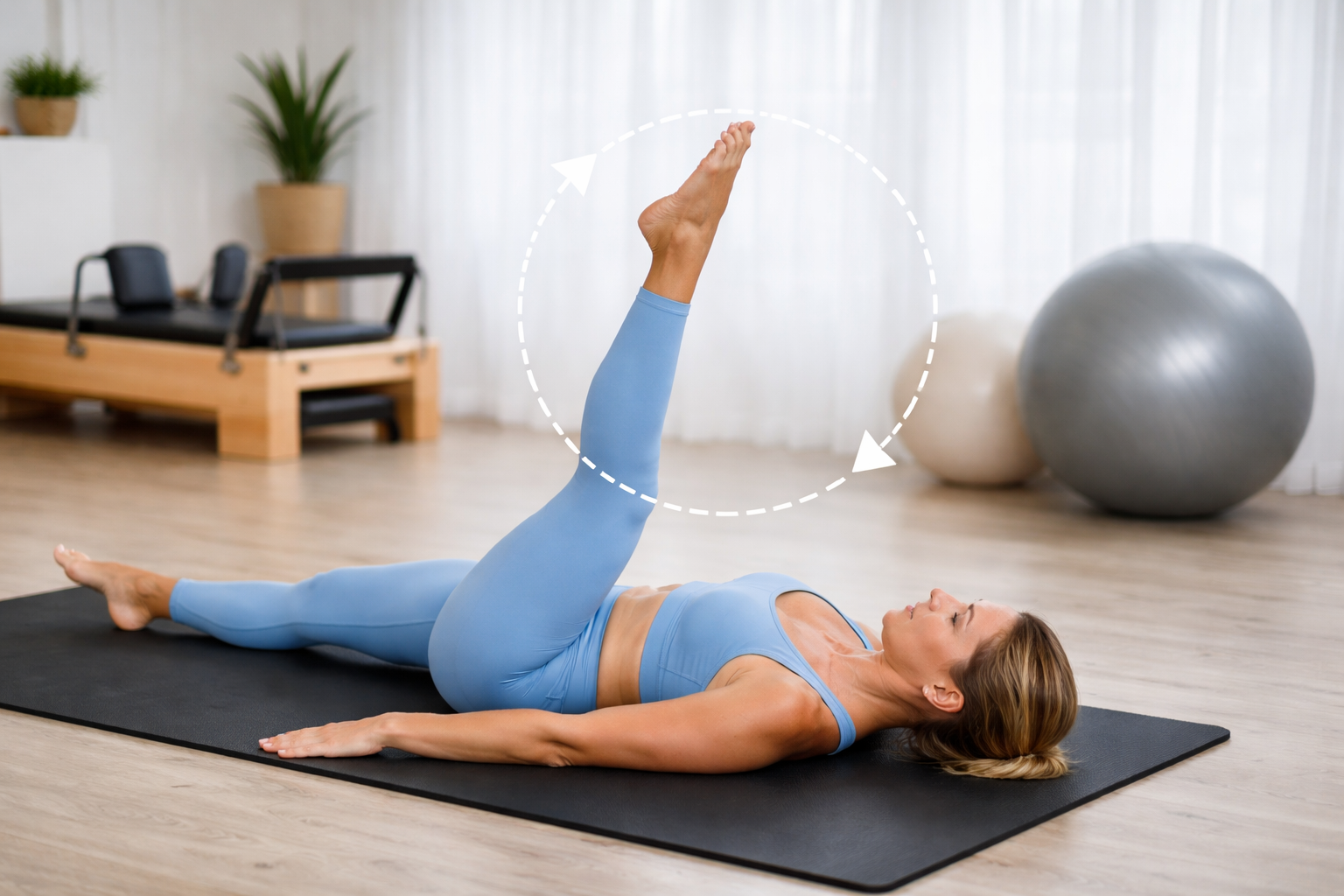
- Leg circles
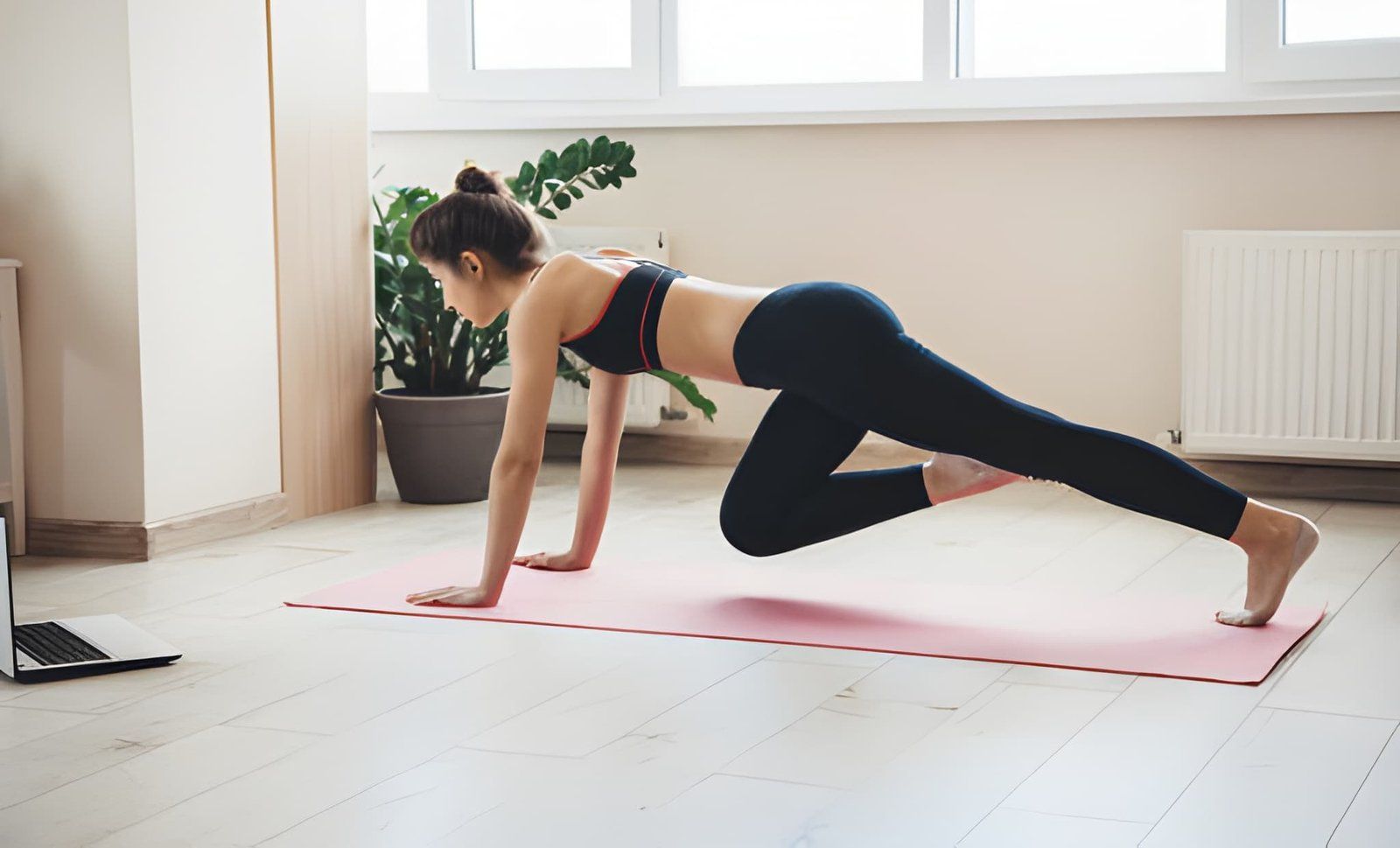
- Modified plank holds
As flexibility improves, many people also enjoy routines inspired by programs like 5 Pilates Moves That Will Transform Your Flexibility In 30 Days, which focus on spinal mobility, hip flexibility, and posture correction.
The Best Weekly Pilates Routine For Weight Loss
Here’s a realistic weekly structure for beginners and busy schedules.
Weekly Plan
Monday
Full-body Pilates session (40 minutes)
Tuesday
Walking + stretching
Wednesday
Reformer Pilates or strength-focused Pilates
Thursday
Light recovery session
Friday
Pilates cardio flow
Saturday
Long walk or low-impact cardio
Sunday
Mobility and recovery work
This type of balanced routine supports:
- Fat loss
- Recovery
- Flexibility
- Muscle tone
- Long-term consistency
Common Pilates Mistakes That Slow Results
Many people expect quick results from Pilates without staying consistent. Only doing easy workouts, ignoring nutrition, and skipping recovery can slow progress. Pilates works best when combined with daily movement, proper recovery, and healthy habits. Support from health coaching and recovery methods like massage therapy can also improve overall results. Whether someone is focused on Pilates for Busy Professionals, flexibility, or Pilates for Active Aging, consistency and proper form are the key to long-term transformation.
Only Doing Easy Workouts
Your body needs progression and challenge over time.
Ignoring Nutrition
Pilates works best alongside balanced nutrition and protein intake.
Not Walking Enough
Daily movement matters more than many people realize.
Expecting Spot Reduction
Pilates strengthens the core, but fat loss happens across the whole body.
Being Inconsistent
The biggest results come from long-term consistency, not perfection.
Why Lifestyle Support Matters
Workouts alone are not always enough for sustainable transformation. Many people struggle more with stress, sleep, consistency, and habit-building than with exercise itself.
That’s why support systems like health coaching have become increasingly popular alongside Pilates programs. Having guidance with nutrition, routines, accountability, and recovery often improves long-term success rates significantly.
When combined with regular Pilates sessions, proper recovery, and realistic nutrition habits, these lifestyle adjustments create much more sustainable body transformation results.
Final Thoughts: Is Pilates Worth It In 2026?
Absolutely.
Pilates continues growing because it offers something many workouts don’t:
- Sustainability
- Flexibility
- Strength
- Recovery support
- Stress relief
- Long-term consistency
It’s not about punishing your body.
It’s about building a stronger, healthier body that actually feels good to live in.
Whether someone trains in a local pilates studio, combines workouts with massage therapy, or follows additional support through health coaching, Pilates can become one of the most effective long-term wellness tools for sustainable fat loss and full-body transformation.
Ready to start your transformation journey? Contact our team today to learn how personalized Pilates sessions, recovery support, and wellness guidance can help you achieve your fitness goals sustainably.
FAQs
1. Can Pilates really help with weight loss?
Yes, Pilates can support weight loss by improving muscle tone, increasing movement consistency, and supporting better overall fitness and recovery.
2. How often should I do Pilates for the best results?
Most people see good results with 3–4 Pilates sessions per week combined with regular movement and healthy lifestyle habits
3. Is Pilates suitable for beginners?
Absolutely. Pilates is beginner-friendly and can be modified for different fitness levels, body types, and physical limitations.
4. Can Pilates improve flexibility and posture?
Yes, Pilates helps improve flexibility, posture, balance, and core strength through controlled movement and mobility-focused exercises.
5. Should Pilates be combined with other wellness services?
Yes, combining Pilates with massage therapy, recovery routines, or health coaching can improve overall wellness, recovery, and long-term fitness results.