How Massage Therapy Enhances Athletic Recovery in Bozeman
Contact Us
Massage therapy is an essential tool for athletes, fitness enthusiasts, and active individuals in Bozeman seeking to improve recovery, reduce muscle soreness, and maximize performance. In today’s health-conscious environment, incorporating massage therapy into your fitness routine is no longer optional it’s a critical step in maintaining peak physical performance.
From professional athletes to weekend warriors, massage therapy supports athletic recovery, prevents injuries, and helps you maintain consistent training. At Bentley Bodies, we combine professional massage therapy with complementary services like a Pilates studio, health coaching, and post-workout recovery strategies to give clients the best possible results.
This article will explore how massage therapy enhances athletic recovery, the techniques that work best, and actionable tips for integrating massage into your training routine.
The Role of Massage Therapy in Athletic Recovery
Athletic recovery is the process your body undergoes to repair muscle tissues, restore energy, and reduce fatigue after physical activity. Massage therapy supports this process in several ways:
- Improved Blood Circulation: Massage increases blood flow, delivering oxygen and nutrients to muscles for faster recovery.
- Muscle Tension Relief: Targeted massage techniques reduce stiffness, cramping, and tightness, supporting flexibility.
- Inflammation Reduction: Massage helps control post-exercise inflammation, speeding up recovery time.
- Enhanced Range of Motion: Regular massage improves flexibility and joint mobility, reducing injury risks.
By addressing these factors, massage therapy accelerates recovery and allows athletes to train more consistently with fewer setbacks.
Types of Massage Techniques for Athletic Recovery
1. Swedish Massage
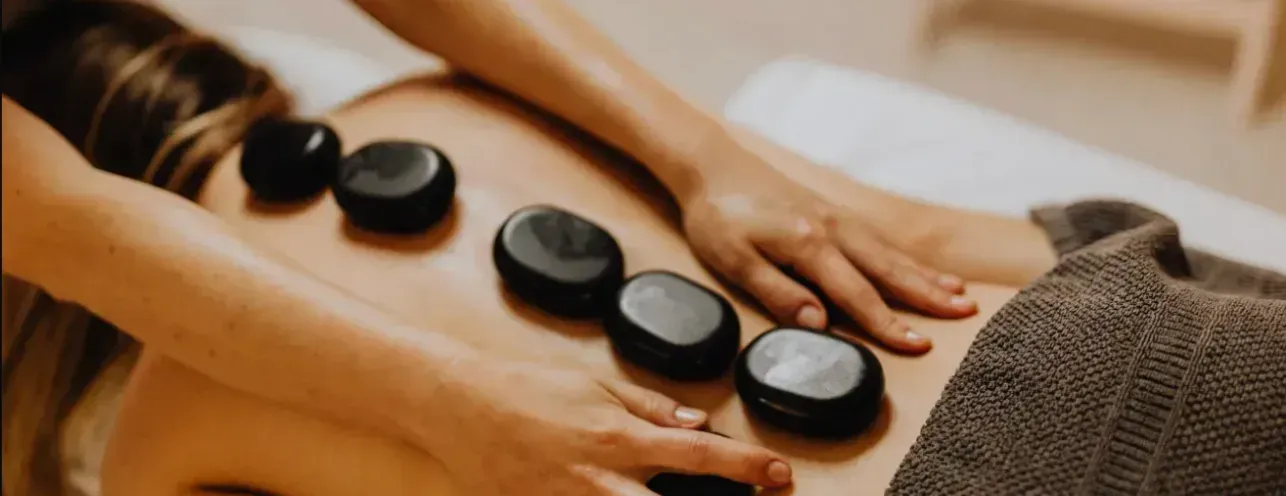
Swedish massage uses long, gliding strokes to relax muscles and promote circulation. It is ideal for general post-workout recovery and helps alleviate minor soreness while enhancing relaxation.
2. Deep Tissue Massage
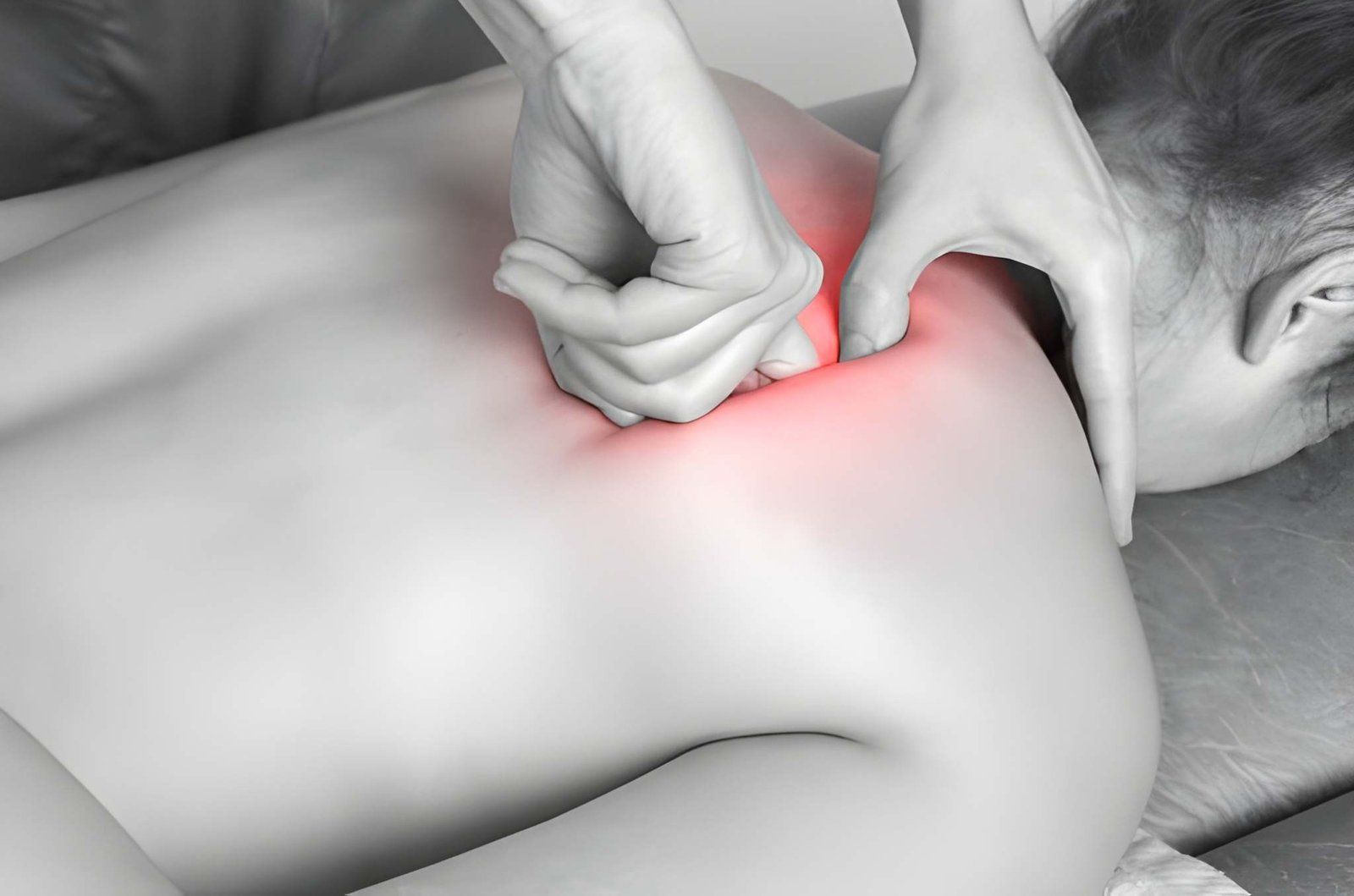
Deep tissue massage targets the deeper layers of muscle fibers and connective tissue. It is particularly effective for chronic tension, knots, and persistent soreness. Athletes often benefit from deep tissue massage after intense training or competition.
3. Sports Massage
Sports massage combines techniques from Swedish and deep tissue massage and is tailored to athletes’ needs. It can be used pre-workout to prepare muscles, post-workout to aid recovery, or during training cycles to maintain peak performance.
4. Trigger Point Therapy
Trigger point therapy focuses on specific points of tension in muscles, often referred to as “knots.” By releasing these areas, athletes experience reduced pain, improved mobility, and faster recovery.
Benefits of Massage Therapy for Muscle Soreness Relief
Muscle soreness, or delayed onset of muscle soreness (DOMS), occurs when muscle fibers undergo microscopic damage after intense activity.
Massage therapy helps reduce DOMS by:
- Increasing blood flow to remove metabolic waste products
- Reducing lactic acid buildup in muscles
- Relieving tension in overworked areas
- Improving overall comfort, mobility, and performance
Athletes who receive regular massage therapy often return to training faster and experience fewer overuse injuries.
How to Integrate Massage Therapy into Your Fitness Routine
Proper integration of massage therapy into your fitness regimen is crucial for maximum benefits. Consider the following:
- Post-Workout Sessions: Reduce soreness, control inflammation, and accelerate recovery immediately after training.
- Pre-Workout Preparation: Light massage can warm up muscles, improve flexibility, and reduce injury risk.
- Weekly or Biweekly Maintenance: Regular sessions maintain muscle health, prevent injuries, and support consistent performance.
Partnering with experienced providers in massage therapy Bozeman ensures that your sessions are tailored to your unique recovery needs.
Complementing Massage Therapy with Other Fitness Practices
Massage therapy works best when combined with other wellness coaching strategies:
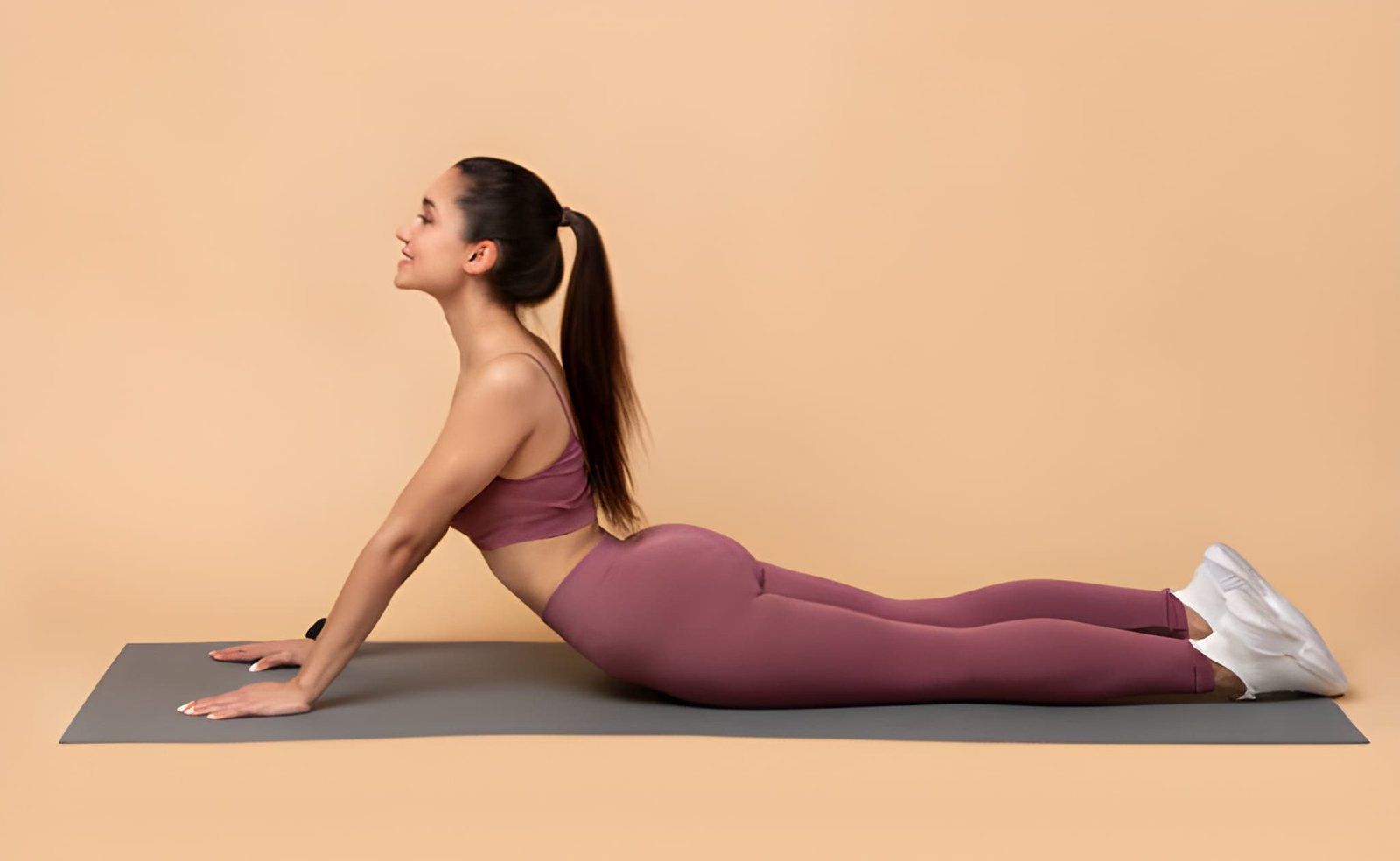
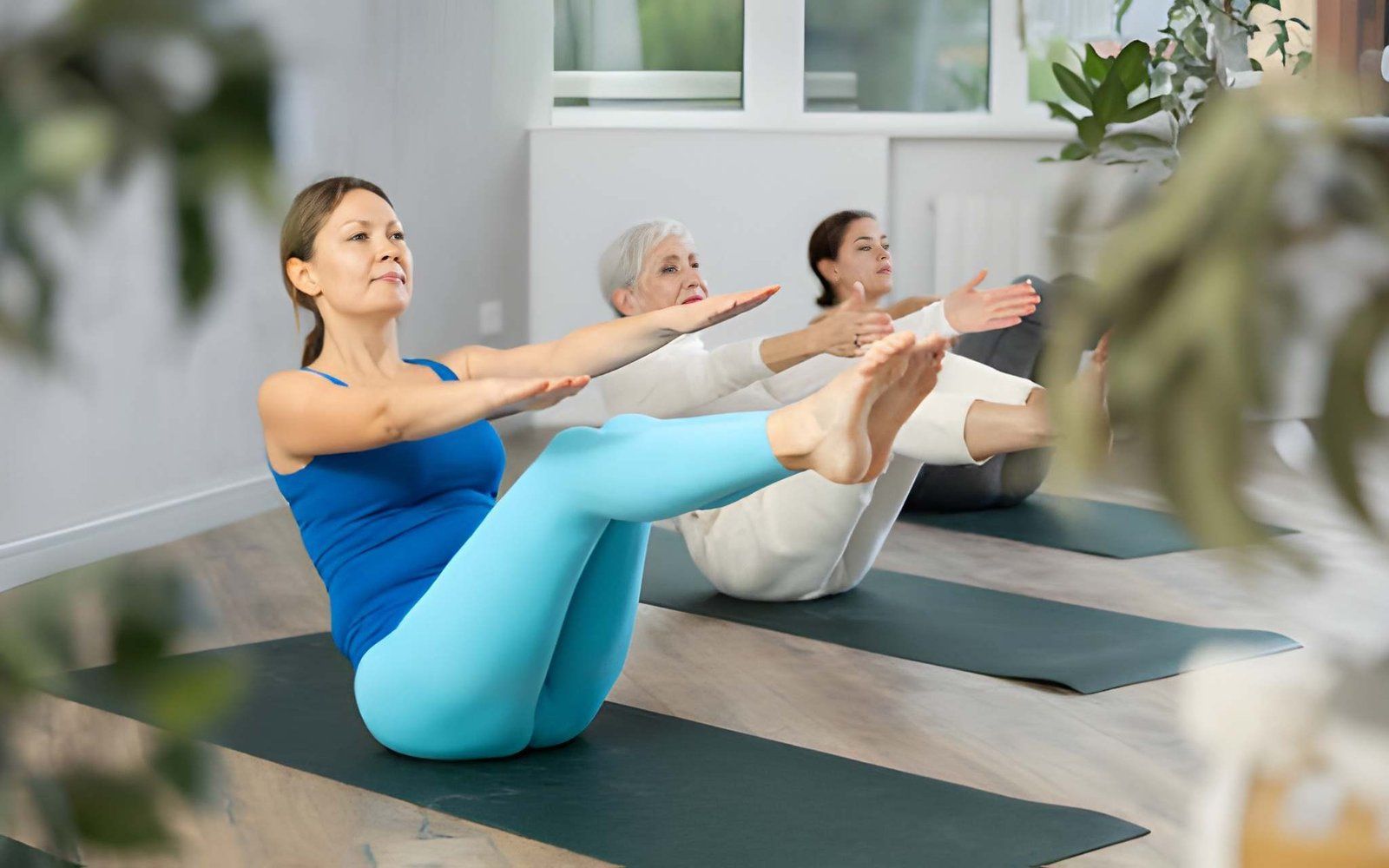
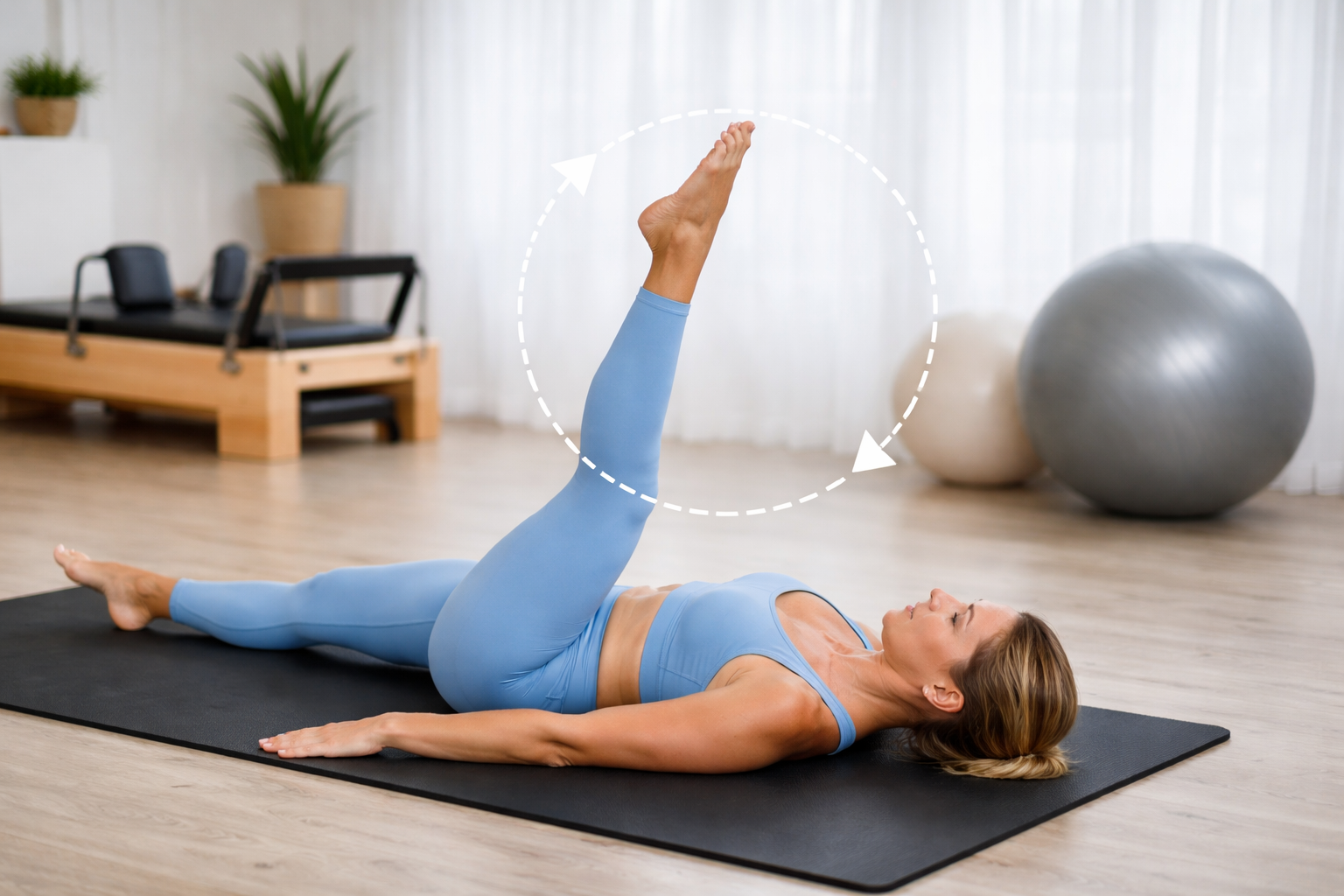
- Pilates Studio Sessions: Strengthen core muscles, improve posture, and enhance flexibility to complement recovery.
- Small Group Pilates in Bozeman: Provides accountability and targeted exercises for overall athletic performance.
- Health Coaching: Learn proper nutrition, hydration, and lifestyle strategies to support recovery and performance.
- Prenatal Massage in Bozeman: Specialized care for expecting mothers who want to maintain fitness and muscle health.
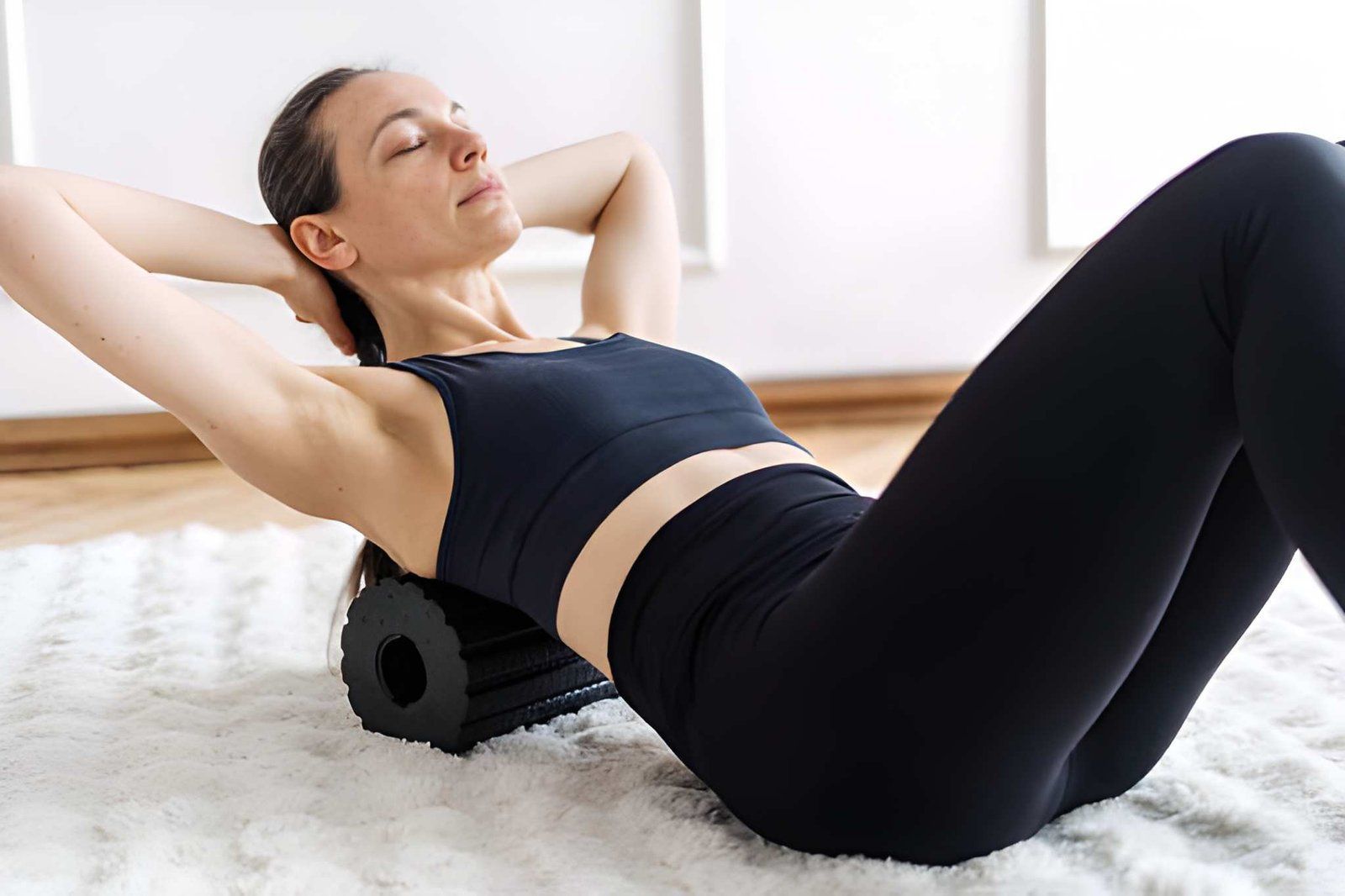
- Post-Workout Recovery Techniques: Incorporating stretching, foam rolling, and mindful rest further enhances recovery.
Combining massage therapy with these practices creates a holistic approach to maintaining peak performance and overall well-being.
The Importance of Post-Workout Therapy
Post-workout therapy is essential for maintaining performance and preventing injuries. Massage therapy provides structured relief for muscle fatigue, stiffness, and discomfort. Integrating massage as part of your post-workout routine ensures muscles recover efficiently, minimizing downtime between sessions.
Regular post-workout massage allows you to reset and recharge in Bozeman, helping you maintain consistent training without overexertion. This approach supports long-term athletic performance, whether you’re a competitive athlete or enjoy recreational activities.
How Often Should You Do Massage Therapy
The frequency of massage therapy sessions depends on your activity level, training intensity, and recovery needs. Generally:
- Casual Athletes: Once every 2–4 weeks to support overall wellness and flexibility.
- Active Athletes: Weekly or biweekly sessions to manage soreness, prevent injuries, and optimize performance.
- High-Intensity Training or Recovery Periods: Multiple sessions per week may be recommended by a professional therapist.
When combined with Small Group Pilates in Bozeman and proper post-workout care, massage therapy can help athletes maintain a sustainable and effective training regimen.
When to Seek Professional Massage Therapy
While self-massage and foam rolling provide relief, professional massage therapists are trained to identify and target problem areas effectively. Booking sessions with skilled providers ensure proper technique, personalized treatment, and better outcomes for athletic recovery.
Professional guidance also ensures you integrate complementary practices such as health coaching, Pilates, and post-workout recovery strategies safely and effectively.
Choosing the Right Massage Therapy Provider in Bozeman
Selecting the right provider is key to maximizing benefits. Look for:
- Licensed and certified massage therapists with experience in sports and post-workout recovery
- A holistic approach combining massage therapy with complementary services
- Options for Prenatal Massage in Bozeman, small group classes, and specialized recovery programs
At Bentley Bodies, our team combines massage therapy with Pilates and health coaching to provide a complete recovery and performance optimization solution for athletes in Bozeman.
Conclusion
Massage therapy is a critical component of athletic recovery, helping reduce muscle soreness, improve circulation, enhance flexibility, and prevent injuries. For athletes in Bozeman, integrating massage therapy with Pilates in studio sessions, health coaching, and post-workout therapy provides a comprehensive approach to peak performance.
Regular professional massage sessions, combined with proper recovery practices, allow athletes to train consistently, perform better, and maintain long-term physical health. Schedule your session today to experience the benefits of massage therapy for athletic recovery, improved performance, and overall wellness in Bozeman.
FAQs
1. What is the role of massage therapy in athletic recovery?
Massage therapy helps improve blood circulation, reduce muscle tension, decrease inflammation, and enhance flexibility, all of which support faster post-workout recovery and prevent injuries.
2. How often should athletes get a massage for optimal recovery?
Frequency depends on activity level. Casual athletes may benefit from sessions every 2–4 weeks, while active or competitive athletes often schedule weekly or biweekly sessions for maximum benefits.
3. Can massage therapy relieve delayed onset muscle soreness (DOMS)?
Yes. Massage therapy reduces DOMS by improving blood flow, removing lactic acid, and relaxing tight muscles, allowing athletes to recover more quickly after intense workouts.
4. How does massage therapy complement Pilates and Health Coaching?
Massage therapy enhances muscle recovery and flexibility, while Pilates strengthens core muscles and improves posture. Combined with health coaching on nutrition and recovery, this creates a holistic approach to performance optimization.
5. Are there specialized massage options for different needs in Bozeman?
Yes. Options include sports massage, deep tissue, Swedish massage, and Prenatal Massage in Bozeman. Professional therapists tailor techniques to individual needs, ensuring effective recovery and wellness.