10 Life-Changing Benefits of Pilates for Women Over 30
Contact Us
Key takeaways for women starting Pilates after 30:
- Pilates builds strength, flexibility, and stability together
- It supports both physical and mental well-being
- Low-impact movement makes it safe and sustainable
- It fits easily into busy routines
- Consistency delivers long-term results
As women move into their 30s and beyond, the body begins to change in subtle but important ways. You may notice reduced flexibility, slower recovery, increased stress, or ongoing stiffness from daily routines. Balancing work, family, and personal well-being can feel overwhelming—and fitness often becomes difficult to prioritize. At this stage, many women begin exploring more supportive approaches such as guided sessions at a Pilates studio, personalized health coaching, or structured wellness routines that focus on long-term results rather than quick fixes.
This is where Pilates stands out as a practical and effective solution.
Unlike high-impact workouts that can feel exhausting or difficult to maintain, Pilates focuses on controlled movement, breathing, and alignment. It helps you build strength while improving flexibility and reducing tension. Often supported by expert guidance or integrated with a broader wellness coaching approach, Pilates encourages a more balanced and sustainable way to stay active—one that fits easily into different lifestyles and evolving fitness needs.
Why Pilates is especially beneficial for women over 30
Pilates is uniquely suited for women over 30 because it addresses multiple aspects of health at the same time. Rather than focusing only on weight loss or muscle gain, it improves how your body moves, feels, and functions overall.
Many women experience tight muscles, poor posture, and low energy levels due to long hours of sitting or managing multiple responsibilities. Pilates helps counter these effects by strengthening deep muscles, improving mobility, and encouraging mindful movement.
It is also a low-impact form of exercise, which makes it gentle on the joints while still being highly effective. Whether you choose to practice at home or in a Pilates studio, the goal remains the same—building strength and balance in a sustainable way.
10 life-changing benefits of Pilates
1. Builds strong and stable core muscles
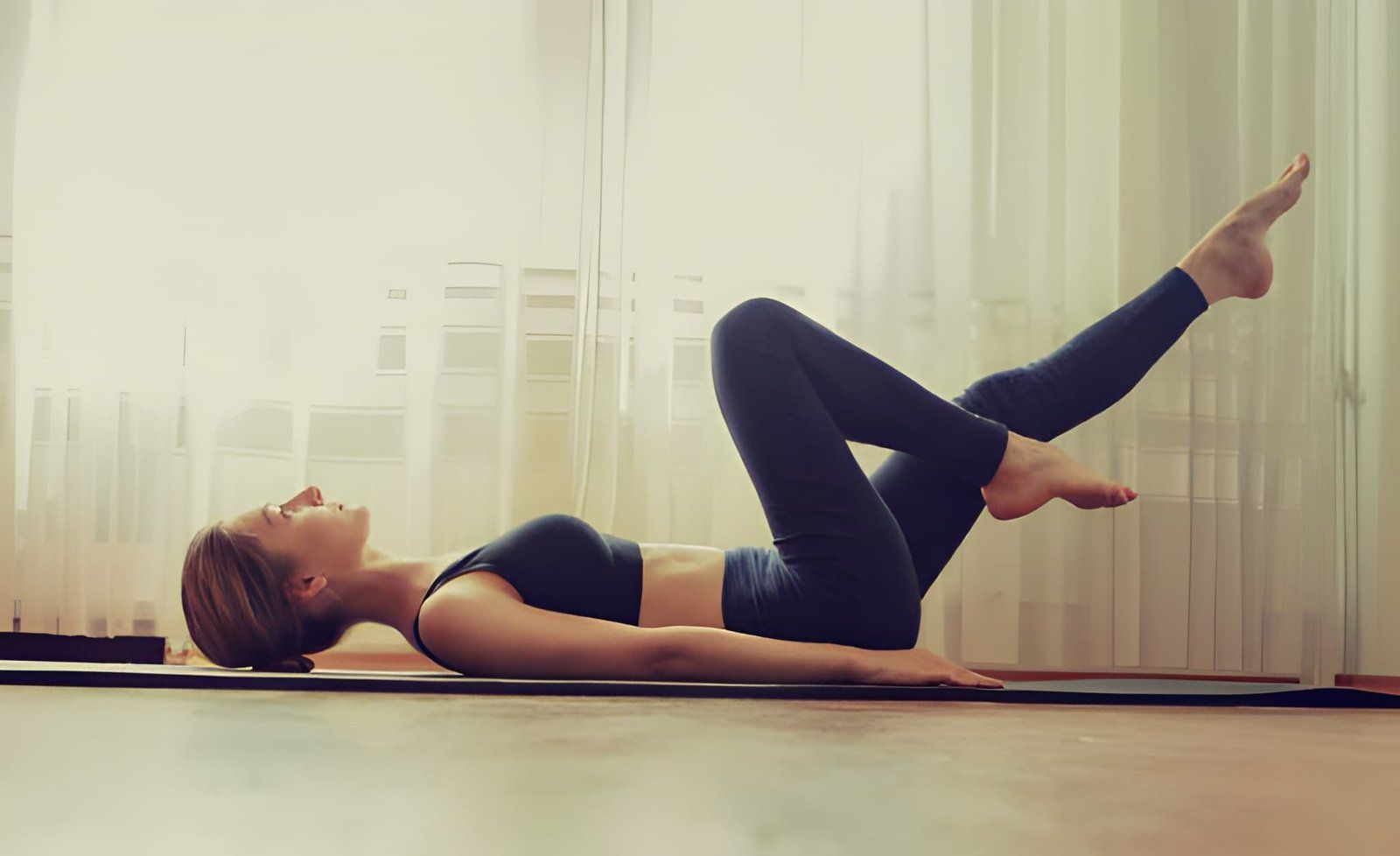
A strong core supports nearly every movement you make, from sitting and standing to lifting and walking. Pilates focuses on deep core muscles that stabilize your spine and improve balance.
Over time, this leads to better posture, reduced strain on your back, and greater ease in everyday activities. You’ll feel more supported and stable in your movements.
2. Improves posture and reduces back pain
Poor posture is common, especially for women who spend long hours at a desk or caring for others. Pilates helps correct these imbalances by strengthening weak muscles and stretching tight areas.
As your posture improves, you may notice less tension in your neck, shoulders, and lower back, making daily life more comfortable.
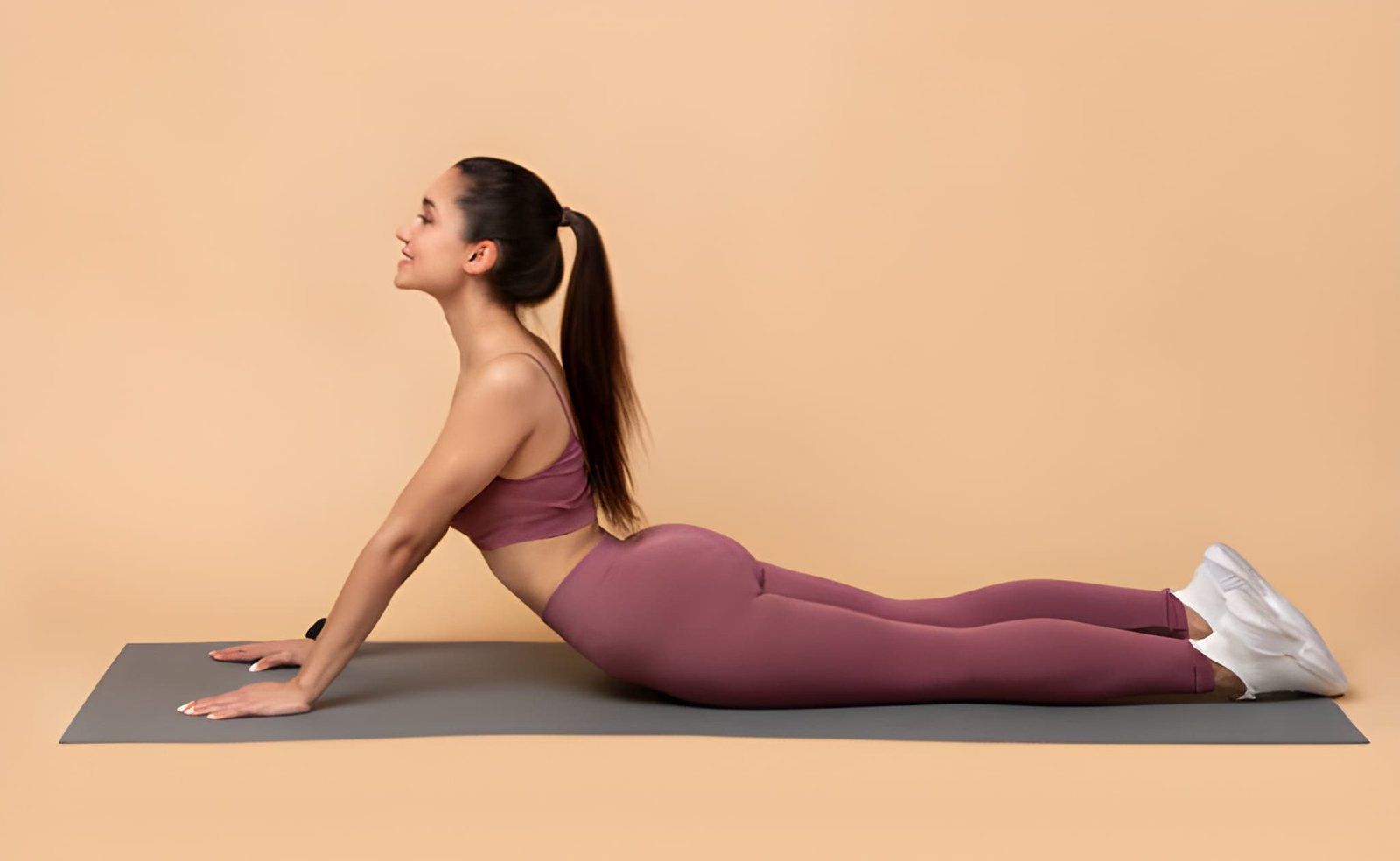
3. Enhances flexibility in a safe way
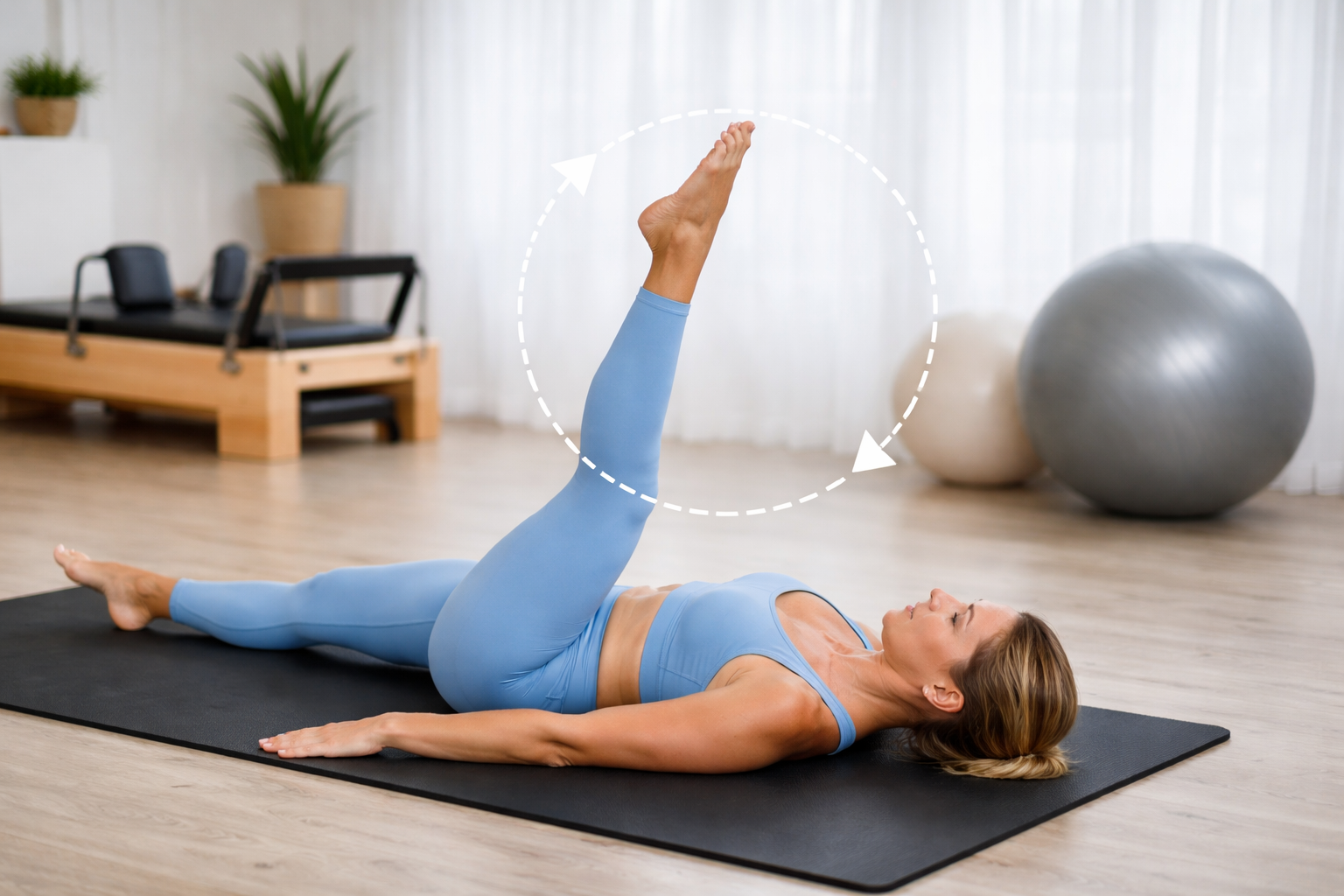
Flexibility often decreases with age, but "Pilates Moves That Will Transform Your Flexibility" focus on improving it gradually through controlled movement. Instead of forcing deep stretches, this approach helps your body open up naturally over time, building strength and mobility together.
This reduces stiffness and allows you to move more freely and comfortably, making everyday activities feel easier and more fluid.
4. Supports stress relief and mental clarity
Pilates combines movement with breathing, which helps calm the mind and reduce stress. It creates a sense of focus and relaxation that carries beyond your workout.
Many women find that Pilates becomes a valuable part of their routine for mental balance as well as physical health.
5. Helps manage weight and improve body tone
Pilates supports the development of lean muscle, which helps your body maintain a healthy weight over time. It also improves body awareness, encouraging better movement and daily habits.
While it may not feel intense, it is highly effective for creating a toned, balanced physique.
6. Improves energy levels
Regular Pilates practice supports better circulation and breathing, which can help improve overall energy levels. Instead of feeling drained, many women feel more refreshed and active throughout the day.
This makes it easier to stay consistent and maintain a healthy routine.
7. Strengthens pelvic floor and core connection
Pilates is particularly beneficial for strengthening the pelvic floor, which is important for overall stability and support. This is especially helpful for women after pregnancy or those experiencing weakness in this area.
A strong pelvic floor also contributes to better posture and core control.
8. Improves balance and coordination
As we age, balance and coordination can decline. Pilates helps improve both by strengthening stabilizing muscles and increasing body awareness.
This supports safer movement and reduces the risk of injury in daily life.
9. Encourages long-term fitness consistency
One of the biggest advantages of Pilates is that it’s sustainable. It’s gentle enough to practice regularly while still being effective, which plays an important part in "The Role of Mindset in Achieving Long Term Fitness Success". Building a routine that feels manageable encourages consistency, which is key to seeing real results over time.
Unlike intense workout trends that can feel overwhelming or short-lived, Pilates supports a balanced approach that you can maintain long-term, making it ideal for lasting health and overall well-being.
10. Builds confidence and body awareness
Pilates helps you become more aware of how your body moves and feels. This awareness leads to better posture, improved movement, and increased confidence.
Feeling stronger and more in control of your body often has a positive impact on other areas of life as well.
How Pilates, Massage, and Wellness Coaching Create a Balanced Lifestyle
A well-rounded approach to health goes beyond exercise alone. When Pilates is combined with massage therapy and health coaching, it creates a more complete and sustainable wellness routine.
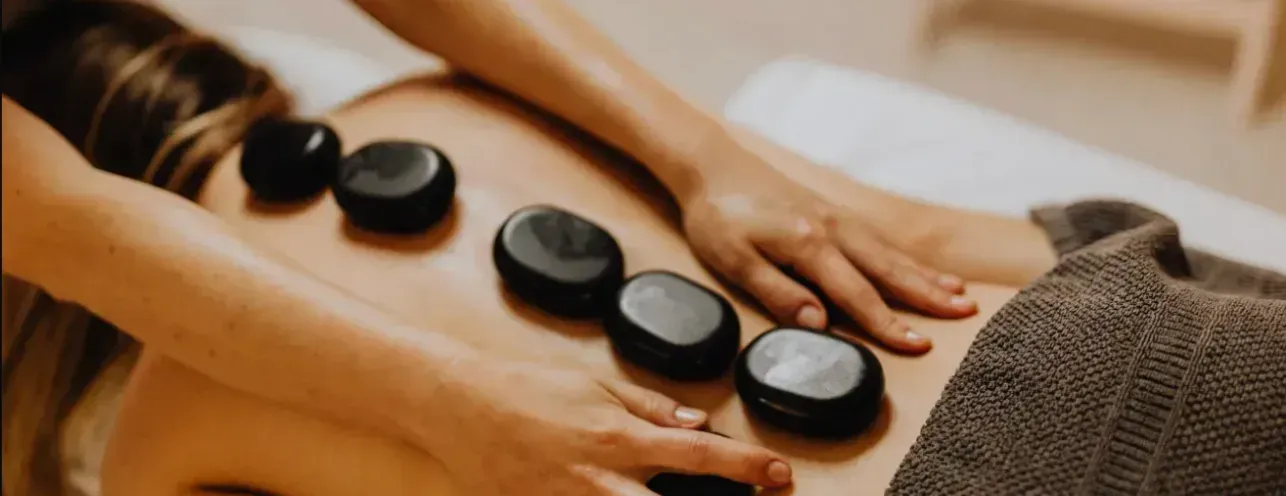
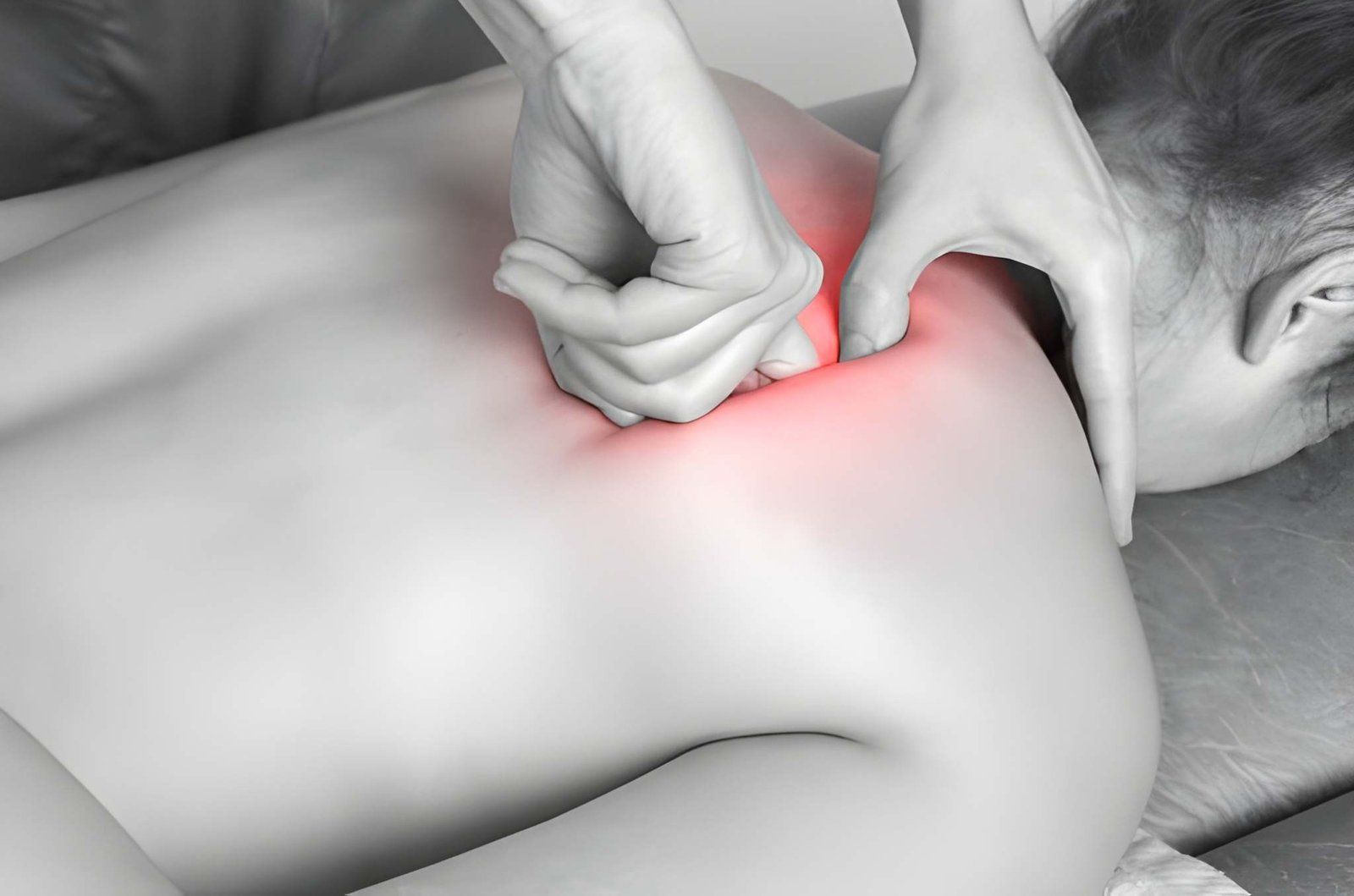
Pilates focuses on strength, flexibility, and posture. At the same time, massage therapy helps release muscle tension, improve circulation, and support recovery. Health coaching adds guidance on daily habits, nutrition, and lifestyle choices that support long-term well-being.
This combination is especially helpful for those interested in Pilates for Active Aging, as it promotes mobility and reduces physical discomfort over time. It also supports Pilates for Busy Professionals, who need practical and efficient ways to maintain their health despite demanding schedules.
Common mistakes to avoid when starting Pilates
Many beginners make small mistakes that can affect their progress. One of the most common is rushing through movements instead of focusing on control. Pilates is designed to be slow and precise, and that’s where its effectiveness comes from.
Another mistake is holding your breath, which creates tension in the body. Proper breathing helps activate muscles and improve results.
Inconsistency is also a key factor. Practicing regularly, even for short sessions, is far more effective than occasional long workouts.
How to get started with Pilates
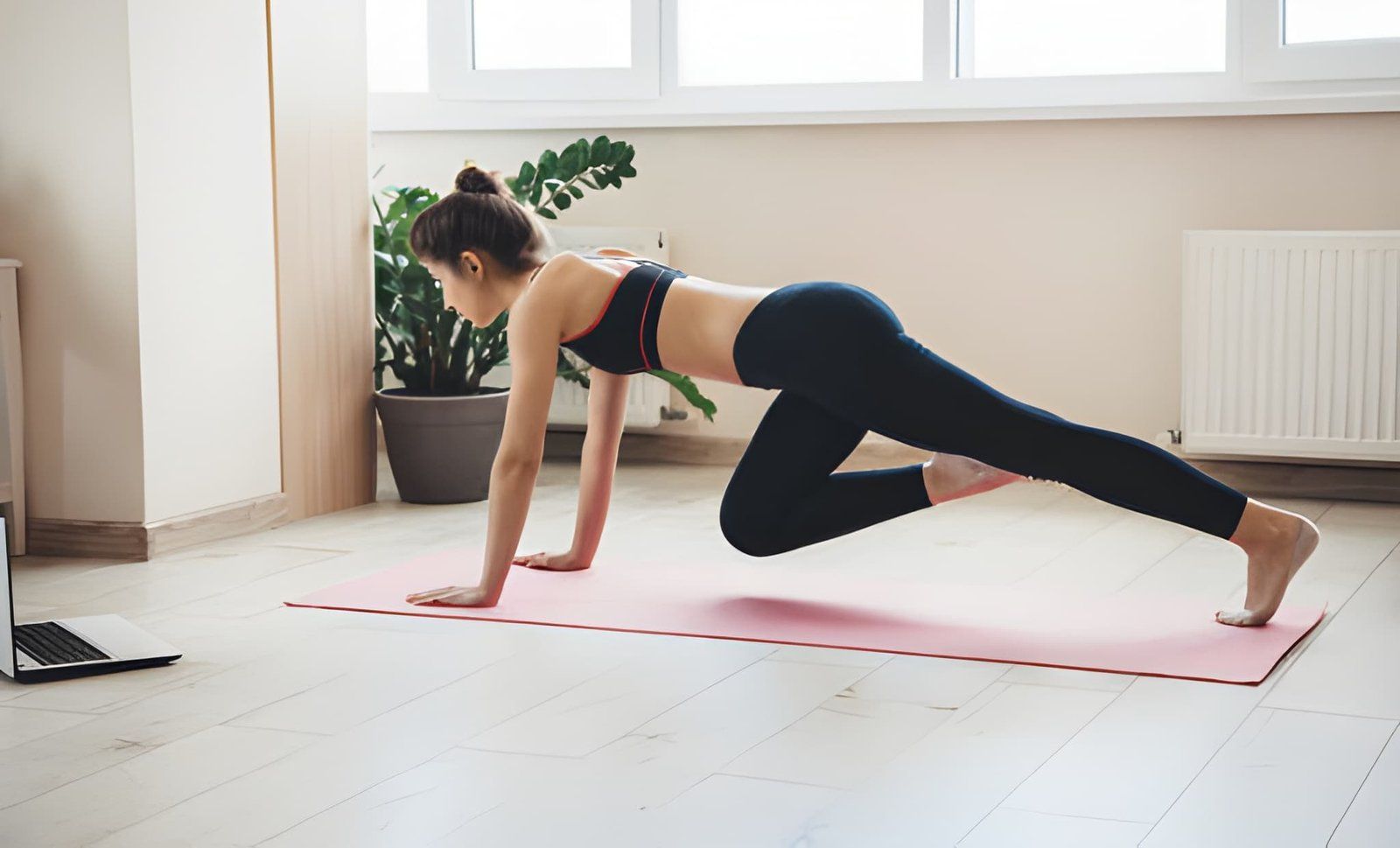
Getting started with Pilates doesn’t have to be complicated. You can begin with simple exercises at home using just a mat, or you can choose guided sessions for additional support.
The most important thing is to focus on proper form and start at your own pace. As your strength and flexibility improve, you can gradually increase the intensity or try new variations.
Some people also find value in attending a Pilates studio to learn correct technique and stay motivated, especially in the beginning.
Conclusion
Pilates offers a simple and effective way to support your health as your body evolves over time. It helps you build strength, improve flexibility, and reduce stress—all while being gentle enough to maintain long-term.
The key is consistency and patience. Small, regular efforts can lead to meaningful improvements in how you feel and move every day.
Ready to get started? Whether you prefer practicing at home or getting guidance from a professional pilates studio, reach out today to learn more or book a session and take the first step toward a stronger, more balanced you.
Frequently Asked Questions
1. How often should I do Pilates to see results?
Practicing 3–4 times per week is ideal. Even shorter sessions done consistently can lead to noticeable improvements over time.
2. Is Pilates suitable for beginners?
2. Is Pilates suitable for beginners?
Yes, Pilates is beginner-friendly and can be adapted to all fitness levels. You can start with basic movements and progress gradually.
3. Can Pilates help with back pain?
Yes, Pilates can help improve posture and strengthen the core, which often reduces back pain when practiced correctly.
4. Do I need equipment to start Pilates?
No, you can begin with just a mat. Many effective exercises use only your body weight.
5. How long before I see results?
Most people notice changes in posture and flexibility within a few weeks, with continued improvement over time.