Ultimate Beginner's Guide To Low Impact Workouts & Pilates
Contact Us
Starting a fitness journey can feel overwhelming, especially when most workout trends focus on intense training, exhausting cardio sessions, and unrealistic transformations. Many beginners start with high-intensity workouts, feel sore or discouraged within a few weeks, and eventually give up completely.
That’s why more people are now turning toward low-impact fitness routines that feel sustainable, beginner-friendly, and easier on the body. For many beginners, Pilates has become one of the best ways to build strength, improve flexibility, and create healthy movement habits without unnecessary stress on the joints.
Whether someone wants better posture, improved mobility, injury recovery support, or a realistic way to stay active, Pilates offers a balanced and approachable starting point.
This guide explains why low impact workout beginners often succeed more with Pilates, how beginner friendly Pilates works, and how you can build a gentle fitness routine that actually fits into your lifestyle long-term.
Why Low Impact Workouts Are Better For Beginners
Many beginners assume harder workouts automatically produce better results, but that’s not always true. In reality, starting with intense exercise too quickly often leads to:
- Burnout
- Soreness
- Joint discomfort
- Poor recovery
- Lack of consistency
- Increased injury risk
Low-impact workouts focus on controlled movement while reducing stress on the body. Instead of forcing the body through harsh jumping or explosive movements, low-impact exercise improves strength, flexibility, coordination, and endurance gradually.
This is especially important for:
- Beginners
- Older adults
- Busy professionals
- People returning after a long break
- Individuals recovering from injuries
The biggest advantage is sustainability. When workouts feel manageable, people are far more likely to stay consistent.
Why Beginner Friendly Pilates Stands Out
Among all low-impact exercises, beginner friendly Pilates continues becoming one of the most recommended options for people starting their fitness journey.
Pilates focuses on:
- Core strength
- Posture
- Alignment
- Controlled movement
- Flexibility
- Breathing
- Body awareness
Unlike many workout programs that expect a certain fitness level, Pilates meets beginners where they are and gradually builds strength over time.
This is one reason many people feel more confident starting at a Pilates studio instead of joining high-intensity group fitness classes immediately.
Pilates is also highly adaptable. Exercises can be modified easily depending on:
- Fitness level
- Mobility
- Pain limitations
- Age
- Recovery needs
The Benefits Of Joint Friendly Exercise
One major reason Pilates works so well for beginners is because it’s considered a joint friendly exercise approach.
High-impact workouts can place excessive stress on:
- Knees
- Ankles
- Hips
- Lower back
Pilates uses slow, controlled movement patterns that strengthen muscles while protecting joints.
This makes it especially beneficial for:
- Desk workers
- Beginners with stiffness
- People with posture issues
- Older adults
- Individuals recovering from injuries
Many people exploring "How Pilates Helps with Injury Recovery" choose Pilates because it improves mobility and stability without aggressive strain on the body.
Pilates Helps Build A Strong Foundation
One of the biggest mistakes beginners make is focusing only on weight loss instead of building movement quality first.
Pilates develops:
- Core stability
- Better posture
- Muscle control
- Coordination
- Flexibility
- Balance
These improvements make future workouts safer and more effective.
Many beginners notice:
- Reduced stiffness
- Better posture
- Improved mobility
- Less lower back tension
- Increased energy levels
within just a few weeks of consistent practice.
Pilates For Busy Professionals
Modern lifestyles often involve:
- Long sitting hours
- Stress
- Poor posture
- Tight hips
- Neck tension
- Limited movement
This is why "Pilates for Busy Professionals" has become increasingly popular in recent years.
Pilates sessions can fit into busy schedules while helping reduce the physical effects of desk work. Even shorter sessions improve mobility, posture, flexibility, and overall body awareness.
Many professionals also combine Pilates with:
- Walking
- Stretching
- Massage therapy
- Recovery-focused wellness routines
- Health coaching support
This combination creates a more balanced and sustainable approach to fitness.
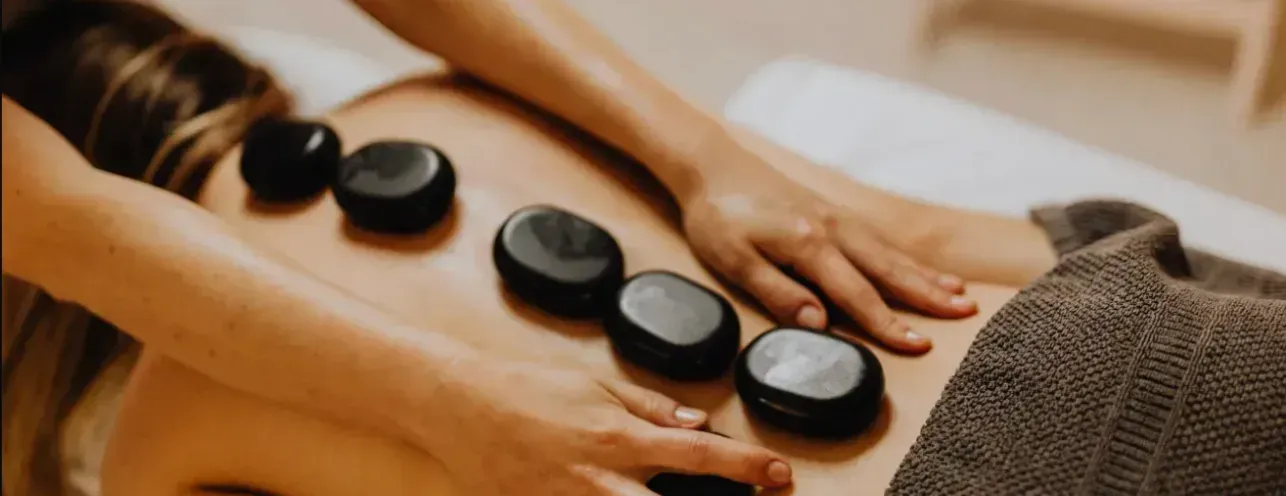
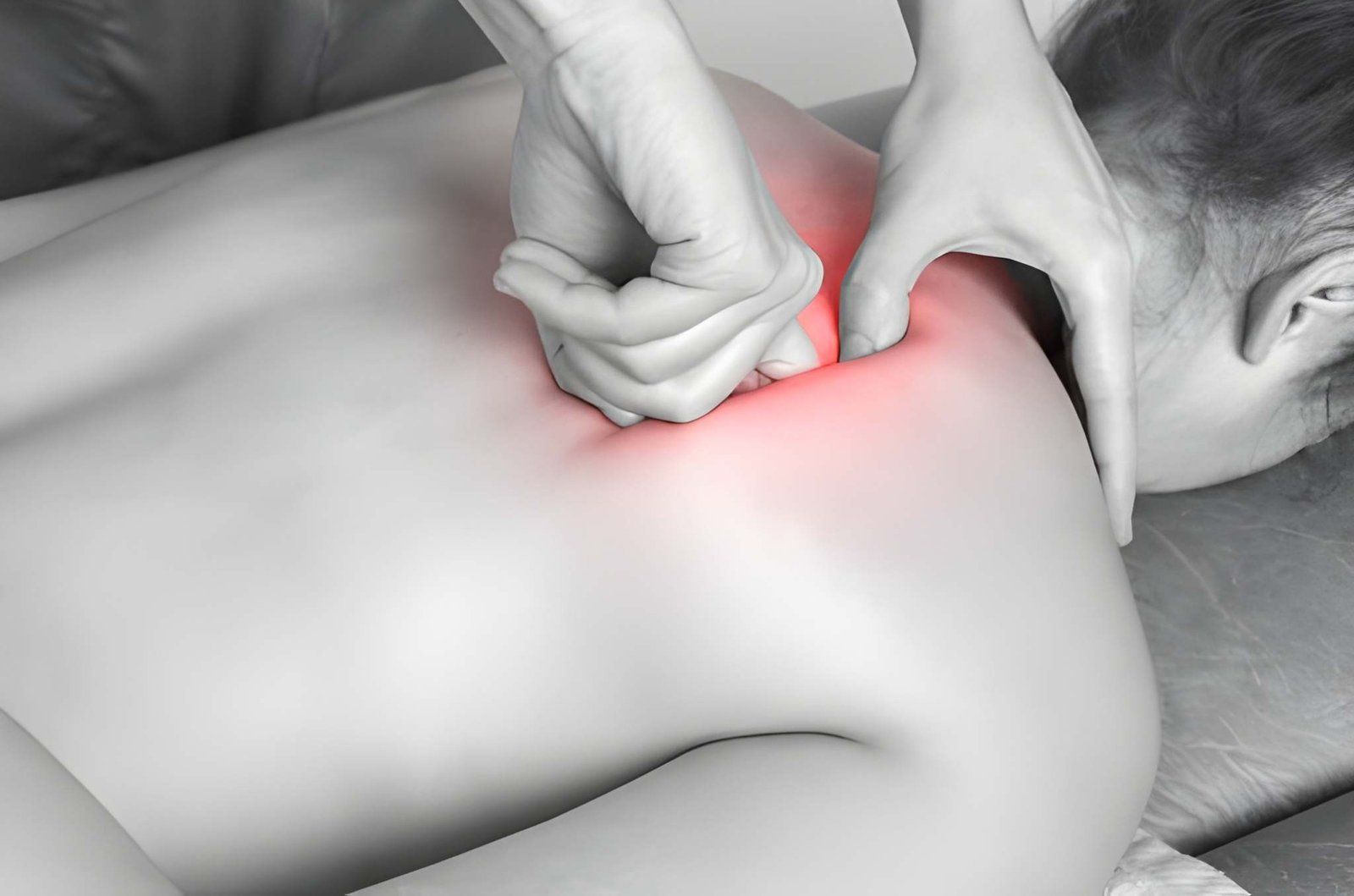
How Massage Therapy Supports Recovery
Recovery is one of the most overlooked parts of fitness.
Muscle tightness, stress, soreness, and poor mobility can make workouts feel uncomfortable and difficult to maintain consistently.
This is one reason people now discuss "How Massage Therapy Enhances Athletic Recovery" alongside movement programs like Pilates.
Massage therapy may help support:
- Flexibility
- Circulation
- Muscle relaxation
- Recovery
- Stress reduction
- Mobility
When combined with Pilates, recovery-focused routines often improve movement quality and consistency significantly.
Building A Gentle Fitness Routine That Lasts
One of the best things about Pilates is that it supports a realistic gentle fitness routine instead of promoting all-or-nothing workout habits.
Beginners often succeed more when they:
- Start slowly
- Focus on consistency
- Prioritize recovery
- Build movement confidence gradually
A simple weekly beginner routine may include:
- 2–3 Pilates sessions
- Daily walking
- Mobility work
- Stretching
- Recovery days
Consistency matters far more than intensity in the beginning stages.
Simple Pilates Exercises For Beginners
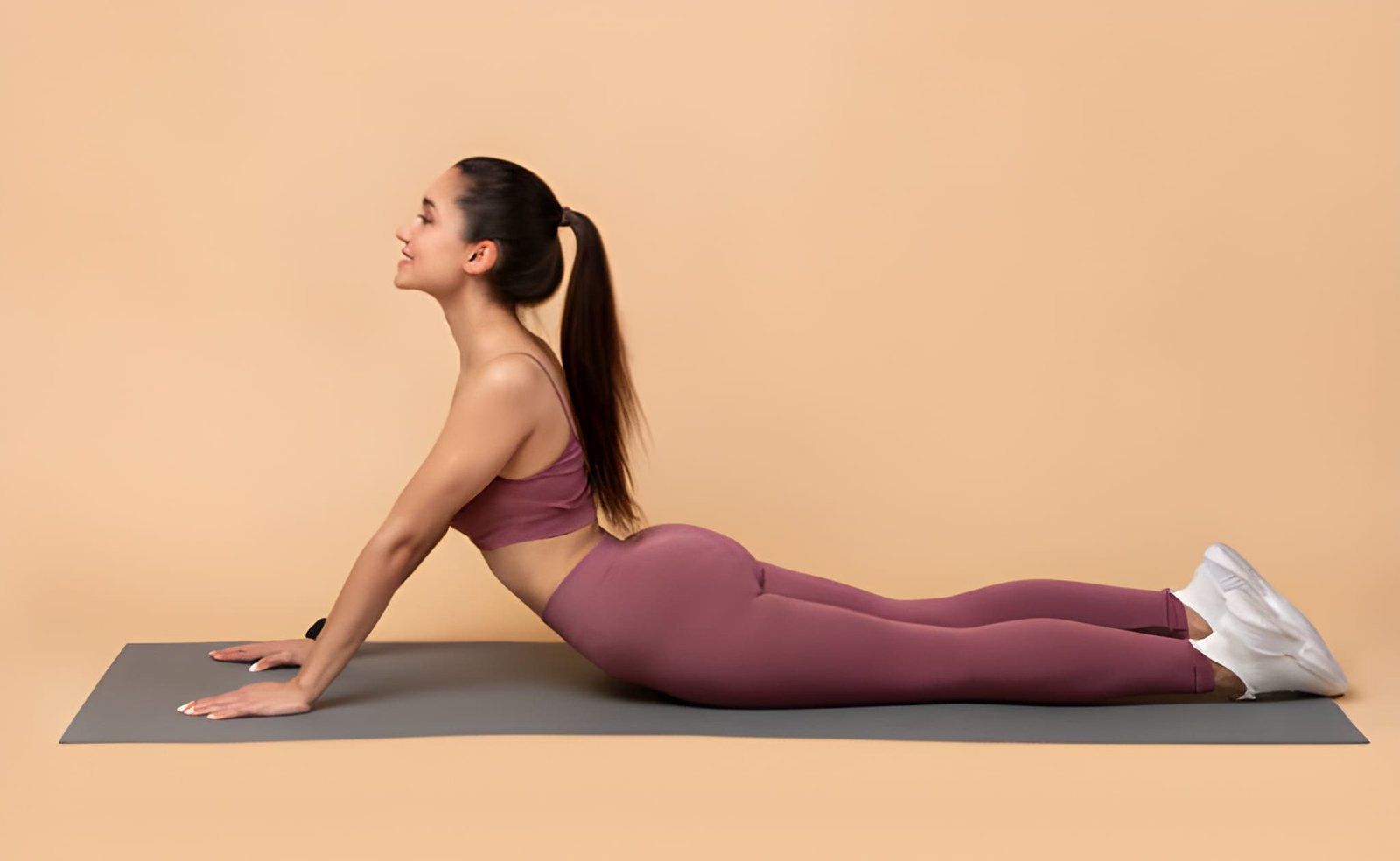
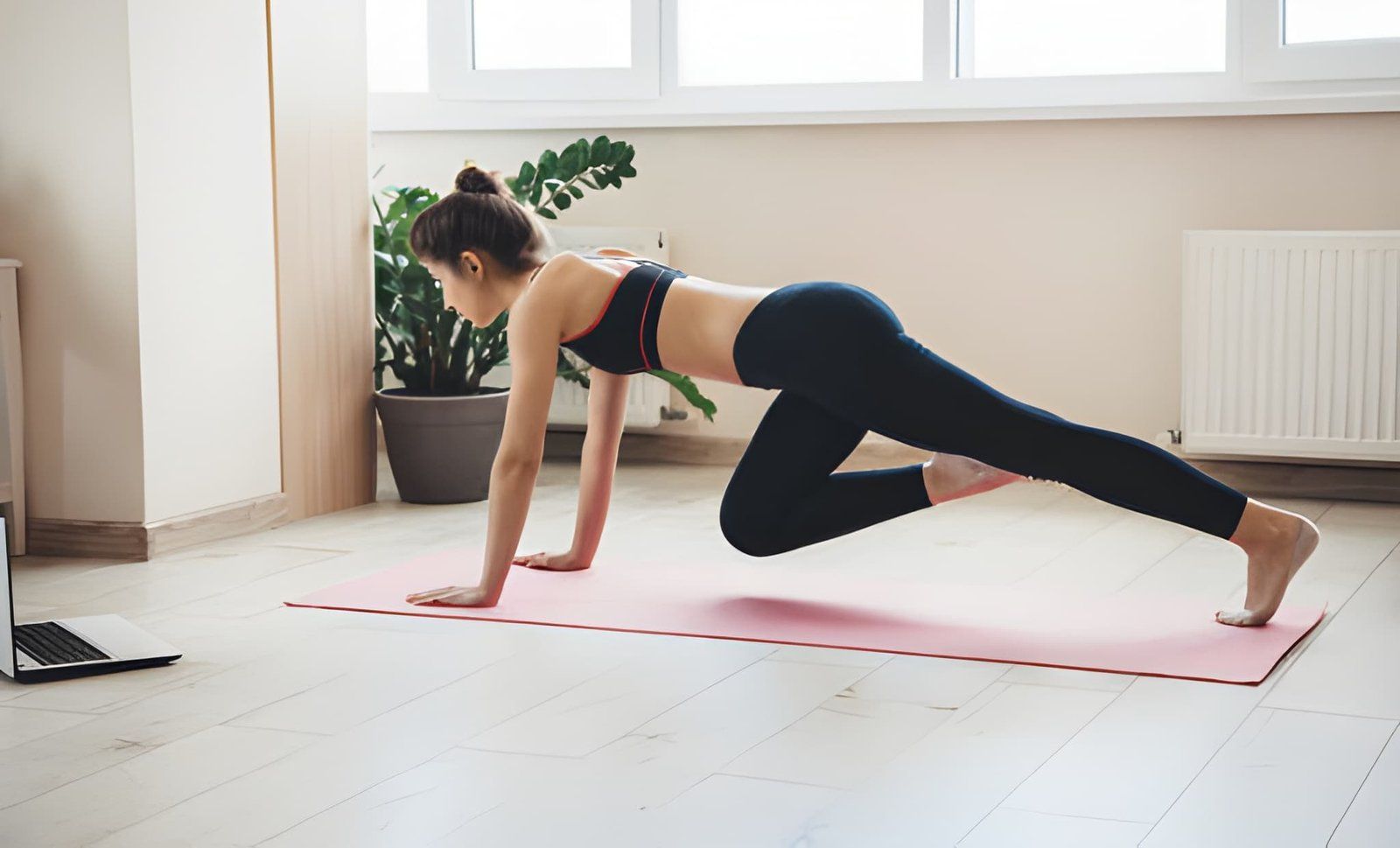
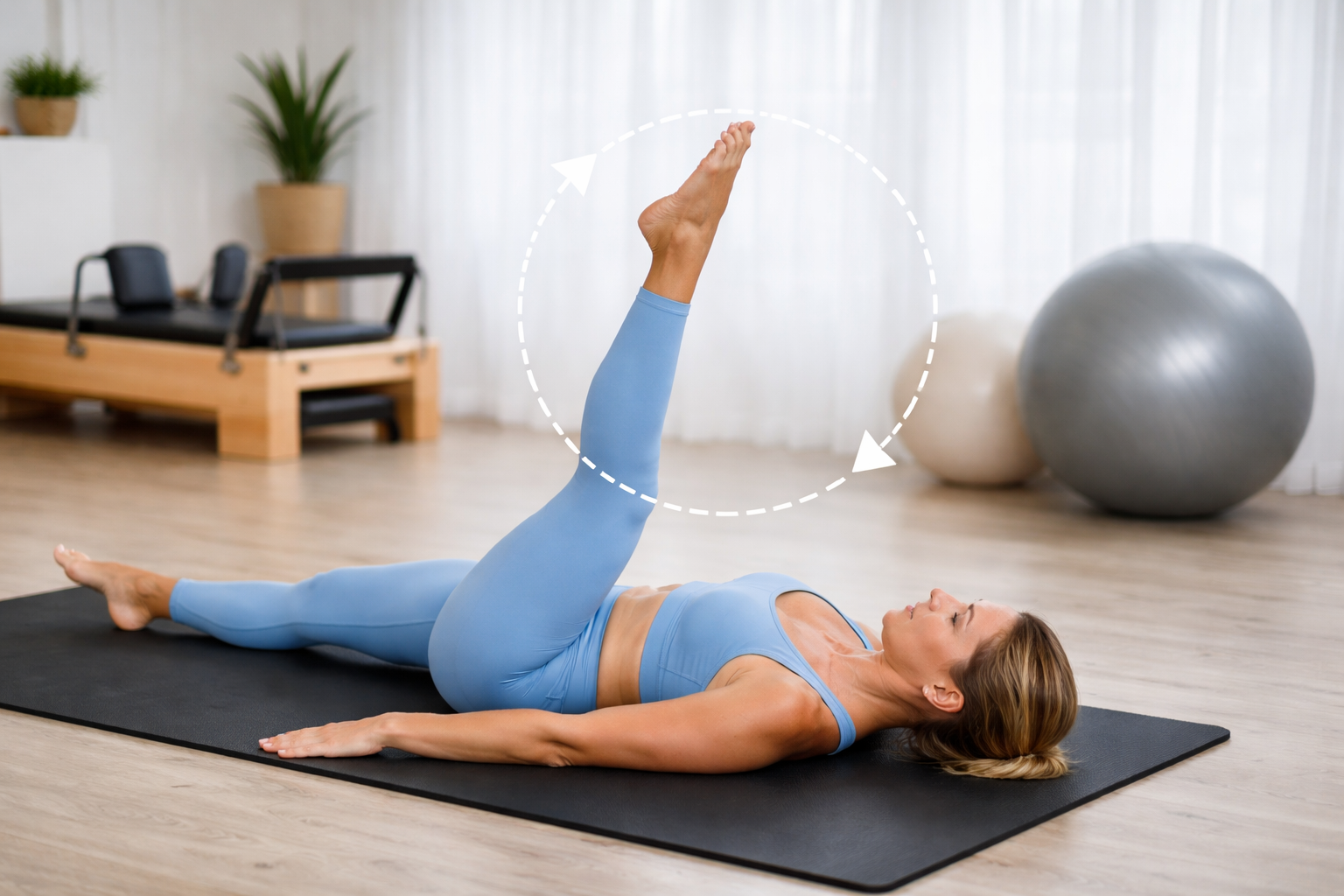
Many Pilates first timer routines start with foundational exercises that improve posture, stability, and mobility.
Movements similar to "5 Simple Pilates Exercises" often include:
- Glute bridges
- Dead bugs
- Bird dog
- Pelvic tilts
- Modified planks
These exercises help beginners build strength safely while improving body awareness.
As flexibility improves, many people also enjoy routines inspired by "5 Pilates Moves That Will Transform Your Flexibility In 30 Days" because they help reduce stiffness and improve mobility gradually.
Pilates For Active Aging
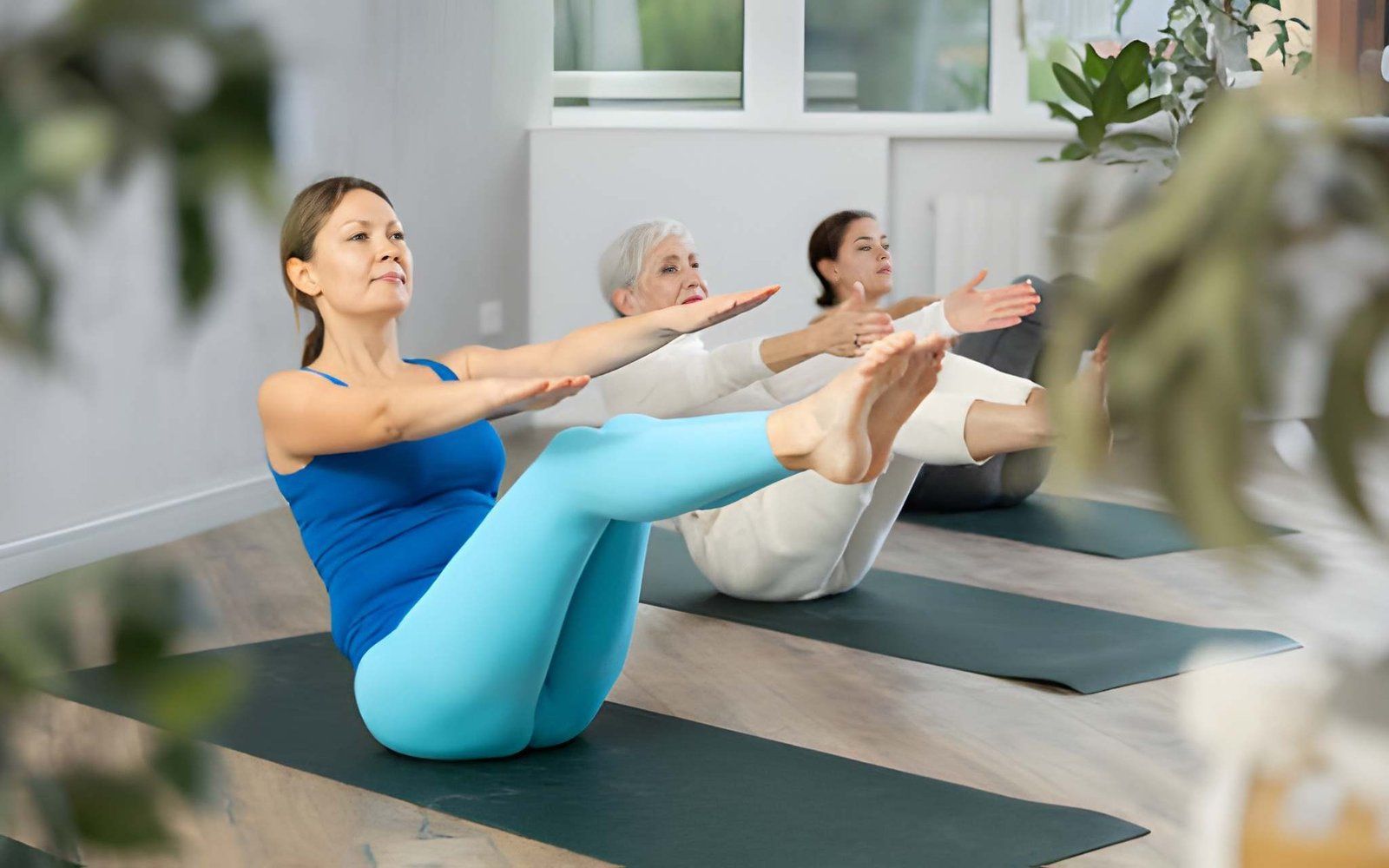
Another reason Pilates continues growing in popularity is its effectiveness for older adults.
Pilates for Active Aging focuses on:
- Balance
- Flexibility
- Joint mobility
- Stability
- Core strength
- Safe movement patterns
Unlike harsh workout programs that can feel intimidating, Pilates allows older adults to improve movement quality without unnecessary stress on the body.
This makes it one of the most sustainable long-term fitness approaches for healthy aging.
Common Beginner Mistakes In Pilates
Many beginners slow their progress by expecting instant results or trying to do too much too quickly.
Some common mistakes include:
- Skipping recovery
- Rushing exercises
- Ignoring proper form
- Being inconsistent
- Comparing progress to others
Pilates focuses heavily on control and movement quality, which means slower, more mindful workouts are often more effective than fast, rushed movements.
Support from health coaching can also help beginners stay more consistent with healthy habits, routines, recovery, and realistic fitness goals.
Why Pilates Is Easier To Stick With
One reason many beginners quit traditional workout programs is because the routines feel exhausting or unrealistic long-term.
Pilates feels different because it focuses on:
- Sustainable movement
- Recovery
- Mobility
- Strength
- Flexibility
- Mind-body awareness
Instead of punishing the body, Pilates teaches people how to move better and feel stronger gradually.
This creates a healthier relationship with exercise overall.
Final Thoughts
Starting a fitness journey doesn’t need to feel intimidating.
For many low impact workout beginners, Pilates provides the perfect combination of:
- Strength
- Flexibility
- Recovery
- Joint-friendly movement
- Posture improvement
- Sustainable fitness habits
Whether someone joins a Pilates studio, follows home workouts, combines movement with massage therapy, or receives additional support through health coaching, Pilates creates a strong foundation for long-term wellness.
The goal isn’t perfection.
It’s building a routine that helps you move better, feel stronger, and stay consistent for years to come.
Ready to begin your fitness journey with confidence? Contact our team today to explore beginner-friendly Pilates sessions, recovery support, and wellness guidance tailored to your goals.
FAQs
1. Are low impact workouts good for beginners?
Yes, low impact workouts are ideal for beginners because they improve strength and mobility while reducing stress on the joints.
2. Why is Pilates recommended for beginners?
Beginner friendly Pilates focuses on controlled movement, posture, flexibility, and core strength, making it easier to learn safely.
3. Can Pilates improve flexibility and posture?
Yes, Pilates helps improve posture, mobility, flexibility, and overall body alignment through controlled exercises.
4. Is Pilates suitable for injury recovery?
Yes, many people exploring "How Pilates Helps with Injury Recovery" choose Pilates because it strengthens the body without high-impact stress.
5. Can recovery methods improve Pilates results?
Yes, combining Pilates with massage therapy and proper recovery habits can improve flexibility, recovery, and movement quality significantly.