Wellness Coach vs Health Coach: Understanding the Difference
Contact Us
Wellness coach vs health coach is a common comparison for people who want support with healthier habits, better routines, and long-term well-being. While these roles can overlap, they may focus on different parts of a person's goals. Understanding the difference can make it easier to choose the right type of support for your needs.
A coach can help you turn broad goals into smaller steps. This may include improving daily movement, eating habits, sleep, stress management, or other lifestyle choices. Wellness coaching can provide guidance and accountability as you work toward these goals. Coaching is generally designed to support behavior change and personal goals rather than replace medical care.
Key Takeaways
Here are the main points to know before choosing a coach:
- Health coaching often focuses on health behaviors and measurable lifestyle goals.
- Wellness coaching may take a broader view of physical, mental, and lifestyle well-being.
- Both approaches can use goal setting, accountability, and regular check-ins.
- A coach supports your goals but does not replace a doctor or other medical provider.
- The right choice depends on your needs, goals, and the type of support you want.
- Coaching can work well alongside movement, nutrition, stress management, and other healthy habits.
Why the Difference Between Coaches Matters
The terms health coach and wellness coach are sometimes used in similar ways. This can make choosing a service confusing. In many settings, both types of coaching use conversations, goal setting, education, and accountability to help people make lasting lifestyle changes.
Research describes health and wellness coaching as a client-centered process that helps people work toward health-related goals through behavior change. Coaches often help clients identify their own goals instead of simply telling them what to do.
When comparing coaching services, consider:
- What area of your life you want to improve
- Whether you have specific health behavior goals
- How much accountability you prefer
- Whether you want broader lifestyle support
- Whether you need medical care instead of coaching
The title of the coach matters less than understanding what the service includes and whether it fits your needs.
What a Health Coach Typically Helps With
A health coach often works with clients who want to improve specific health behaviors. These goals may include becoming more active, improving eating habits, managing stress, building better routines, or staying consistent with a plan recommended by a healthcare professional.
Health coaching is not the same as medical treatment. A health coach does not diagnose disease or prescribe medication unless they also hold a separate professional license that allows them to do so. Instead, coaching can help clients turn health goals into practical daily actions.
Common areas of support may include:
- Physical activity
- Healthy eating habits
- Weight-management goals
- Sleep routines
- Stress management
- Building healthy habits
- Tracking progress
- Creating realistic goals
- Staying accountable
A 2020 systematic review and meta-analysis found small but significant effects of health coaching on several health behaviors, including physical activity, dietary behavior, health responsibility, and stress management in adults with cardiovascular risk factors.
What a Wellness Coach May Focus On
Wellness coaching can take a wider view of a person's daily life. Instead of focusing on one health behavior, the coach may help clients look at several areas that influence how they feel and function.
This can include movement, rest, stress, routines, relationships, work-life balance, and other lifestyle factors. The exact focus depends on the coach's training and the client's goals.
For example, a client may want to:
- Create a more balanced daily routine
- Make time for regular movement
- Improve sleep habits
- Reduce daily stress
- Build better self-care habits
- Set boundaries around work
- Find realistic ways to stay active
- Create goals that fit their lifestyle
This broader approach is often useful for people who do not have one specific health goal. Instead, they may want support in creating a healthier and more balanced lifestyle.
Looking at Health Through a Broader Lens
Wellness is not only about avoiding illness. It can also involve how you move, rest, eat, manage stress, connect with others, and handle everyday demands. This broader view is one reason coaching can be useful for people who want to make several lifestyle changes at once.
A whole-person approach does not mean ignoring medical care. Instead, it can work alongside appropriate healthcare. A coach can help with habits and goals while doctors, therapists, dietitians, and other licensed professionals handle areas that require clinical care.
A broader wellness plan may include:
- Regular movement
- Balanced nutrition
- Quality sleep
- Stress-management habits
- Time for social connection
- Recovery and rest
- Personal goals
- Regular healthcare when needed
Research on coaching also points to goal setting, self-discovery, education, and accountability as common parts of effective coaching relationships.
Stress can affect many parts of daily life, including sleep, energy, focus, and motivation. A wellness coach can help you identify healthy ways to manage stress and build routines that support better overall well-being. For more practical guidance, explore "Stress Management Strategies with a Wellness Coach" and learn how wellness coaching can support a more balanced lifestyle.
How Coaching Sessions Usually Work
A coaching session is usually a conversation focused on your goals, progress, challenges, and next steps. Instead of giving you a long list of instructions, a coach may ask questions that help you decide what changes are realistic for your lifestyle.
The process can vary by coach. Some sessions may focus on one goal, while others may review several areas of your routine. Follow-up sessions can then help you see what worked, what did not, and what needs to change.
A typical session may include:
- Reviewing your current goals
- Discussing recent progress
- Identifying barriers
- Choosing one or two practical actions
- Creating a plan for the next period
- Discussing accountability
- Adjusting goals when needed
This approach can make large goals feel more manageable. Instead of trying to change everything at once, you can focus on small actions that are easier to repeat.
Why Accountability Can Make a Difference
Knowing what to do and actually doing it are two different things. Many people understand that movement, healthy eating, sleep, and stress management are important but still struggle to make these habits consistent.
Coaching can provide a regular point of accountability. You know that you will have an opportunity to review your progress, discuss challenges, and adjust your plan. This does not mean the coach is responsible for your choices. Instead, the process can help you stay aware of the choices you are making.
Accountability may help you:
- Stay focused on a goal
- Notice patterns in your routine
- Break large goals into smaller steps
- Learn from setbacks
- Celebrate progress
- Adjust unrealistic expectations
- Build confidence over time
A 2023 systematic review found that many studies of health and wellness coaching showed partially or fully sustained improvements in at least one measured outcome after the coaching period. However, the researchers also noted that more research is needed.
When a Wellness Approach May Be a Better Fit
Some people have a clear health goal. Others know they want to feel better but are not sure where to start. A broader wellness approach may be useful for the second group because it can look at several parts of everyday life.
For example, someone may be sleeping poorly, sitting for long periods, feeling stressed, and struggling to make time for exercise. Focusing on only one issue may not address the full picture. A coach can help the person decide which change should come first.
A broader approach may be helpful if you want to:
- Improve several lifestyle habits
- Create a more balanced routine
- Find practical ways to manage stress
- Make regular movement part of your week
- Improve your relationship with self-care
- Build habits that fit your schedule
The goal is not to create a perfect lifestyle. It is to build habits that are realistic enough to maintain.
When More Specialized Health Coaching May Help
A more focused health coaching approach may make sense when you already know what you want to change. For example, you may want to become more active, improve your eating habits, or stay consistent with a lifestyle plan recommended by your healthcare provider.
This type of coaching can provide structure around a specific goal. It can also help you identify barriers and create smaller steps toward that goal.
Focused coaching may include:
- Defining a specific goal
- Creating measurable steps
- Tracking progress
- Identifying barriers
- Building routines
- Reviewing results
- Adjusting the plan
It is important to remember that coaching is not a replacement for medical treatment. If you have a medical condition or symptoms that need evaluation, speak with an appropriate healthcare professional.
Comparing Coaching With Traditional Medical Care
Coaching and medical care have different roles. A doctor or other qualified healthcare professional can diagnose conditions, provide medical treatment, and manage health concerns that require clinical care. A coach generally focuses on helping a person make and maintain behavior changes.
This difference is important because coaching should not be presented as a cure for medical conditions. Instead, it can support healthy behaviors that may fit within a person's overall care plan.
The roles can work together in some situations:
- A doctor may provide medical guidance.
- A registered dietitian may provide nutrition care.
- A physical therapist may address movement or rehabilitation needs.
- A mental health professional may provide therapy.
- A coach may help with goals, habits, and accountability.
When several professionals are involved, clear communication and appropriate referrals can help keep each person's role clear.
How Life Coaching Fits Into the Picture
People also search for life coach vs wellness coach when trying to decide which type of support they need. Life coaching often covers broader personal goals, such as career direction, relationships, confidence, motivation, or personal development.
Wellness coaching is more closely connected to lifestyle and well-being. However, there can be overlap between the two. A person's work, relationships, stress, sleep, and daily habits can all affect each other.
Before choosing a coach, ask:
- What areas does the coach specialize in?
- What type of training do they have?
- What does each session include?
- How are goals created?
- How is progress tracked?
- When does the coach refer clients to another professional?
These questions can help you choose support based on what you actually need rather than the title alone.
How Movement Can Support a Coaching Plan
Healthy habits are often easier to maintain when they fit naturally into daily life. Movement is one example. A person who wants to become more active may benefit from choosing an activity that feels enjoyable and realistic rather than forcing a routine that does not fit their schedule.
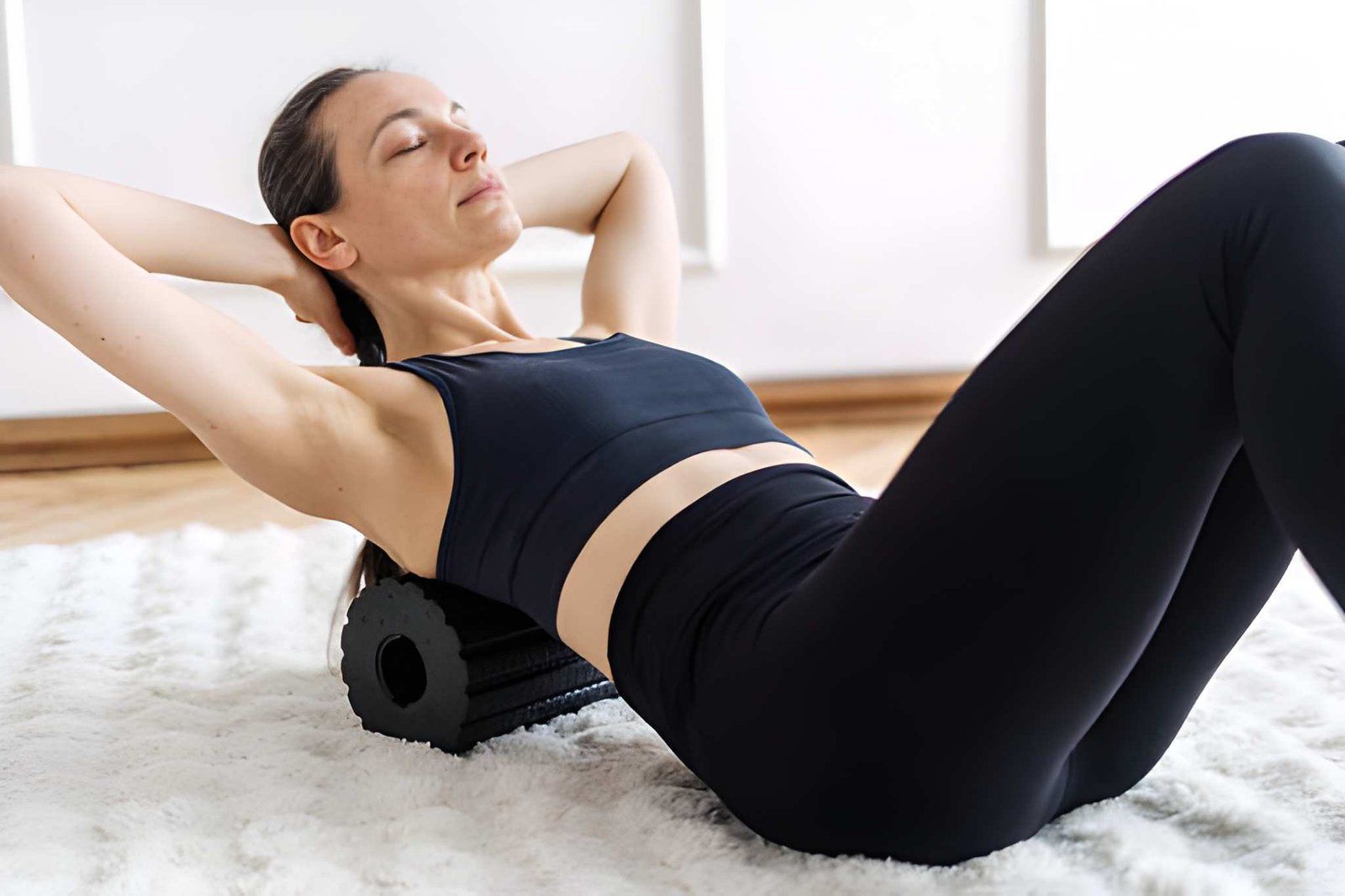
For some people, a pilates studio can be part of that routine. Pilates can provide structured movement, while coaching can help a person stay consistent with the habits that support their larger goals.
Movement goals may include:
- Improving regular activity
- Building strength
- Working on mobility
- Taking more movement breaks
- Creating a consistent exercise routine
- Finding activities that are enjoyable
The right activity depends on your current fitness level, preferences, and health needs. If you have an injury or medical concern, seek appropriate professional guidance before beginning a new exercise program.
Personalized Support Can Make Goals More Practical
Generic health advice can be easy to find. The harder part is deciding how to apply that advice to your own life. This is where personal coaching may be useful. A coach can help you consider your schedule, preferences, challenges, and current habits when creating goals.
For example, a goal to exercise more may sound simple. But someone who works long hours may need a different plan from someone with a flexible schedule. A coach can help turn the broad goal into smaller actions that fit real life.
Personalized planning can involve:
- Looking at your current routine
- Identifying realistic opportunities for change
- Choosing manageable goals
- Creating an action plan
- Reviewing what worked
- Making changes when needed
The goal is not to make every day perfect. It is to create a plan you can return to when life becomes busy.
What to Look for When Choosing a Coach
The right coach should understand their role and work within their area of training. Because coaching titles and services can vary, it is useful to ask questions before beginning.
Look for clear information about the coach's training, services, approach, and boundaries. A good coach should also know when a client needs a referral to a healthcare or mental health professional.
Before booking, consider asking:
- What training or certification do you have?
- What types of goals do you usually support?
- How are sessions structured?
- How often do clients meet with you?
- How do you measure progress?
- What happens if I need medical or mental health support?
- What should I expect between sessions?
These questions can help you understand whether the coach's approach matches your expectations.
Understanding the Limits of Coaching
Coaching can support behavior change, but it has limits. A coach should not diagnose a medical condition, prescribe treatment outside their professional scope, or tell you to stop medical care.
This boundary helps protect clients and keeps coaching focused on its proper role. If you have symptoms, a chronic condition, significant anxiety or depression, or another concern that requires clinical attention, work with the appropriate licensed professional.
Coaching may complement professional care by helping with:
- Daily routines
- Goal setting
- Motivation
- Healthy behavior
- Accountability
- Lifestyle planning
- Progress tracking
The best approach is one that keeps your safety and individual needs at the center.
How to Decide Which Type of Coach You Need
There is no single answer for everyone. The right choice depends on your main goal and the type of support you want. If your goal is strongly focused on health behaviors, a health-focused coach may be a good fit. If you want support across several areas of daily well-being, a broader wellness approach may make more sense.
You can start by asking yourself:
- What do I want to change?
- Why is this change important to me?
- Do I need help with one goal or several areas?
- Do I want accountability?
- Am I looking for lifestyle support or medical care?
- What type of coaching feels comfortable to me?
Writing down your answers can make the decision easier. It also gives you useful information to discuss during an initial consultation.
Building a Sustainable Wellness Routine
Long-term change usually comes from habits that can fit into everyday life. Trying to change everything at once can feel overwhelming. A better approach may be to start with one or two areas and build from there.
A sustainable routine might combine movement, sleep, nutrition, stress management, social connection, and regular time for yourself. Coaching can help you decide where to begin and how to stay accountable as your goals change.
Simple steps can include:
- Choose one clear goal.
- Break it into small actions.
- Schedule the actions when possible.
- Track your progress.
- Notice barriers without judging yourself.
- Adjust the plan when your schedule changes.
- Celebrate small improvements.
A healthy routine should support your life rather than make it harder.
Conclusion
Understanding the difference between a wellness coach and a health coach can make it easier to find the right support. Both may help with goals, habits, accountability, and behavior change, but their focus can vary. Health coaching may be more focused on specific health behaviors, while wellness coaching may take a broader view of lifestyle and well-being.
Research suggests coaching can support some health behaviors and may help people maintain positive changes, although results vary and more research is still needed. Coaching should also complement, rather than replace, appropriate medical or mental health care.
If you are ready to create healthier routines with personalized support, contact Bentley Bodies to learn more about available coaching and wellness services and find an approach that fits your goals.
Frequently Asked Questions
What is the main difference between a health coach and a wellness coach?
A health coach often focuses on specific health behaviors and goals, such as physical activity, nutrition, sleep, or stress management. A wellness coach may take a broader approach that includes lifestyle balance, self-care, routines, and overall well-being. The exact services can vary between coaches.
How do I know which type of coach is right for me?
Start by identifying your main goal. If you want help with a specific health behavior, a health-focused coach may be suitable. If you want broader support with several lifestyle areas, a wellness-focused coach may be a better fit. Ask about the coach's training and services before booking.
Can a health or wellness coach replace my doctor?
No. Coaching is not a replacement for medical care. Coaches generally help with goals, habits, education, and accountability. A doctor or other licensed healthcare professional should handle diagnosis, medical treatment, and health concerns that require clinical care.
How often should I meet with a coach?
The ideal schedule depends on your goals, the coaching program, and your needs. Some programs use regular sessions over several months. Research has examined many different coaching schedules, so there is no single schedule that works for everyone.
Can coaching help me build healthier habits?
Yes, coaching may help support behavior change by using goal setting, accountability, education, and regular follow-up. Research has found potential benefits for areas such as physical activity, diet, stress management, and other health behaviors, although outcomes can vary between individuals.