Can Massage Therapy Help With Stress? Benefits for Anxiety and Burnout
Contact Us
Can massage therapy help with stress? For many people, a massage can be a simple way to slow down, relax tight muscles, and create time away from daily demands. Stress can affect the body as well as the mind, so caring for both can be helpful. At Bentley Bodies, massage therapy is part of a whole-person approach that can also include movement, wellness support, and healthy daily habits.
Stress may come from work, family responsibilities, poor sleep, physical tension, or a busy schedule. A massage cannot remove every source of stress, but it may help you feel calmer and more comfortable. Research also suggests that some forms of massage may help with anxiety symptoms, although results vary and massage should not replace medical care when it is needed.
Key Takeaways
Massage can be one useful part of a broader stress-management routine. Here are the main points to remember:
- Massage may help promote relaxation and reduce muscle tension.
- Some research suggests massage may help lower short-term anxiety symptoms.
- A massage session can provide a quiet break from daily demands.
- Different massage techniques may suit different needs.
- Massage works best as part of a healthy routine rather than as a stand-alone solution.
- Persistent anxiety, severe stress, or burnout may require support from a qualified health professional.
How Stress Can Affect the Body and Mind
Stress is a normal response to challenging situations. Short periods of stress can help you stay alert and respond to demands. The concern often begins when stress becomes frequent or continues for a long time. Ongoing stress can make it harder to relax, sleep well, focus, or feel comfortable in your body. Muscle tightness is also common, especially around the neck, shoulders, and back.
When the body stays tense, it can become harder to settle down at the end of the day. This is one reason physical relaxation can be an important part of self-care. Massage may provide a calm setting where you can pause, breathe, and give your body a chance to relax.
Common signs that stress may be affecting your daily life include:
- Tight shoulders, neck, or back
- Trouble relaxing after work
- Poor or interrupted sleep
- Feeling mentally tired
- Difficulty focusing
- Irritability or low patience
- Headaches or general muscle discomfort
- Feeling like you are always rushing
How Massage May Support Stress Relief
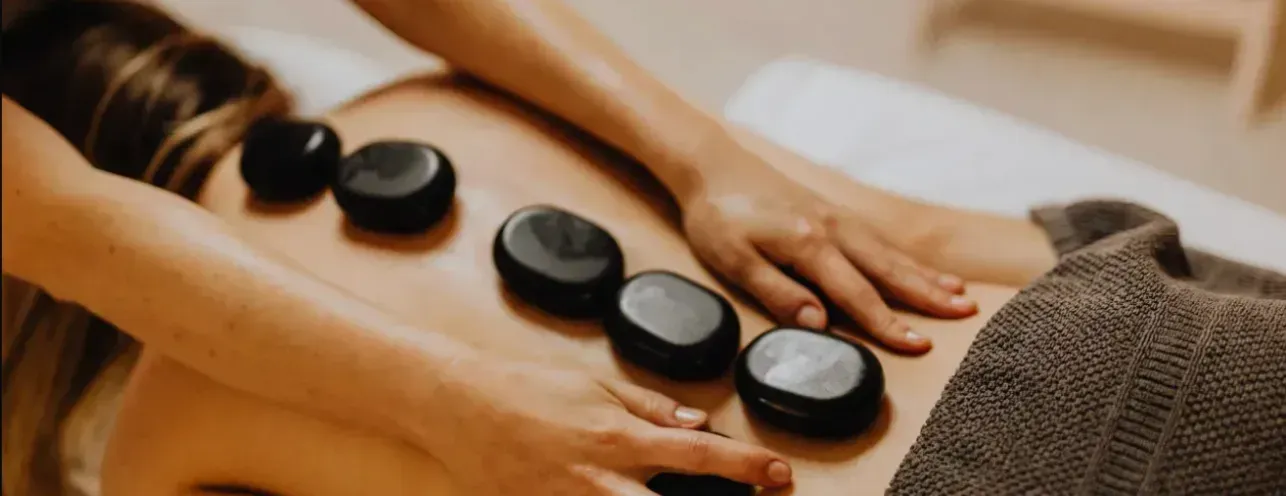
Massage works on the body's soft tissues through hands-on techniques. Depending on the style, pressure can range from gentle and soothing to more focused work on areas of muscle tension. The quiet environment and time away from daily tasks may also help create a sense of relaxation.
A 2004 meta-analysis of randomized studies found that a single massage session was associated with reductions in state anxiety, blood pressure, and heart rate, although massage did not improve every outcome studied. More recent reviews also suggest possible benefits for anxiety in some groups, while noting that more research is needed.
Massage may support relaxation in several ways:
- Encouraging a period of quiet and rest
- Helping ease areas of muscle tightness
- Giving you time away from screens and daily tasks
- Supporting a calmer body state
- Making it easier to focus on slow breathing
- Providing a regular self-care routine
The goal is not to promise that one session will remove stress. Instead, massage can be viewed as one tool that may help you manage some of the physical and mental effects of a busy lifestyle.
Why Relaxation Matters When You Feel Overwhelmed
Relaxation is more than simply doing nothing. It gives the body and mind time to slow down after periods of activity. When your schedule is full, even a short period without work, screens, or other demands can feel useful. A calm massage setting may help create that pause while also addressing physical tension.
This can be especially useful for people who spend much of the day sitting, driving, working at a computer, exercising, or managing other physical demands. Combining massage with healthy movement and good sleep can create a more balanced approach to self-care.
Simple ways to build more relaxation into your week include:
- Taking short breaks between demanding tasks
- Practicing slow, steady breathing
- Spending time outdoors
- Keeping a regular sleep schedule
- Stretching or moving throughout the day
- Setting limits around work after hours
- Scheduling time for activities that help you recharge
Can Massage Help With Anxiety?
People often look for massage for anxiety when they feel tense, restless, or overwhelmed. Some research suggests that massage and other hands-on approaches may reduce anxiety symptoms in certain groups. However, the evidence is mixed, and massage has not been proven to treat generalized anxiety disorder.
This distinction is important. Massage may support relaxation and comfort, but it should not be presented as a replacement for professional mental health treatment. If anxiety is persistent, severe, or interfering with daily life, talking with a qualified health professional is an important step.
Massage may still be useful as a supportive part of a larger wellness routine because it can:
- Create time for rest
- Help reduce physical tension
- Encourage body awareness
- Support a calming routine
- Give you a break from daily demands
For people who enjoy hands-on care, massage can fit alongside other healthy habits rather than replacing them.
Choosing the Right Massage for Your Needs
Not every massage feels the same. Some styles are designed to create a gentle, calming experience, while others focus more closely on areas of muscle tension. Your goals, comfort level, activity level, and physical needs can all influence which approach makes sense.
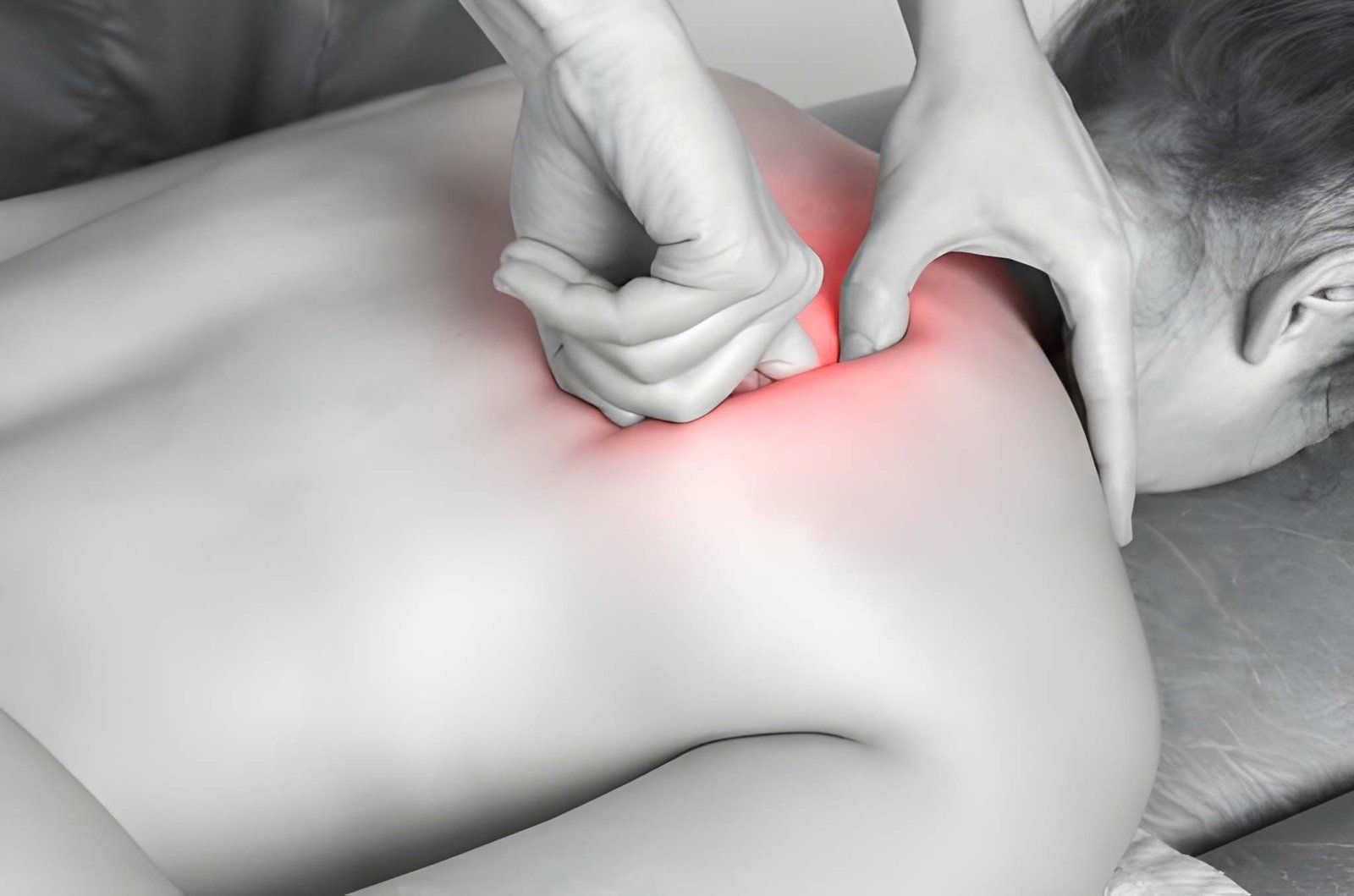
For example, someone looking for general relaxation may prefer lighter pressure. Someone dealing with long-term muscle tightness may want more focused work. A conversation with the massage therapist before the session can help determine what approach may be appropriate.
When choosing a massage, consider:
- Your main reason for booking
- Areas of physical tension
- Your preferred pressure level
- Previous massage experience
- Any injuries or health concerns
- Whether you want relaxation or focused muscle work
- How you typically feel after different types of massage
Comparing Common Massage Approaches
A gentle massage may be a better fit when the main goal is relaxation. More focused techniques may be useful when muscle tension is the main concern. This does not mean that one style is better for everyone. The right choice depends on your goals and how your body responds.
The phrase "Deep Tissue Massage vs Swedish Massage" often comes up when people are comparing massage styles. Deep tissue work generally uses more focused pressure, while Swedish massage is commonly associated with gentler strokes and relaxation. A therapist can help you choose an approach based on your needs.
Can Massage Be Part of Burnout Recovery?
Burnout is more than having one stressful day. It can develop when ongoing demands leave a person feeling emotionally and physically drained. Signs may include exhaustion, reduced motivation, trouble concentrating, and feeling disconnected from work or other responsibilities.
Massage cannot solve the causes of burnout by itself. However, it can be one small part of a larger plan that includes rest, healthy boundaries, movement, sleep, social support, and professional guidance when needed. Taking regular breaks may also help you notice when your body needs more recovery time.
A broader recovery plan may include:
- Protecting time for sleep and rest
- Reducing unnecessary demands
- Taking regular movement breaks
- Making time for enjoyable activities
- Eating regular, balanced meals
- Asking for support when needed
- Creating realistic work and personal boundaries
- Using relaxing activities that fit your lifestyle
The goal is not to add another task to an already full schedule. Instead, self-care should make your routine feel more manageable.
Building a Whole-Person Wellness Routine
Stress does not affect only one part of your life. It can influence movement, sleep, mood, energy, and daily habits. That is why a whole-person approach can be useful. Massage may support physical relaxation, while movement and lifestyle changes can support longer-term health goals.
At Bentley Bodies, wellness services are designed around the connection between physical and mental well-being. The studio combines Pilates, massage, and personalized wellness support to help clients build routines that fit their needs.
Other wellness activities may include:
- Pilates or other forms of regular movement
- Stretching and mobility work
- Healthy nutrition habits
- Mindfulness or breathing exercises
- Consistent sleep
- Personal support and accountability
- Time for hobbies and social connection
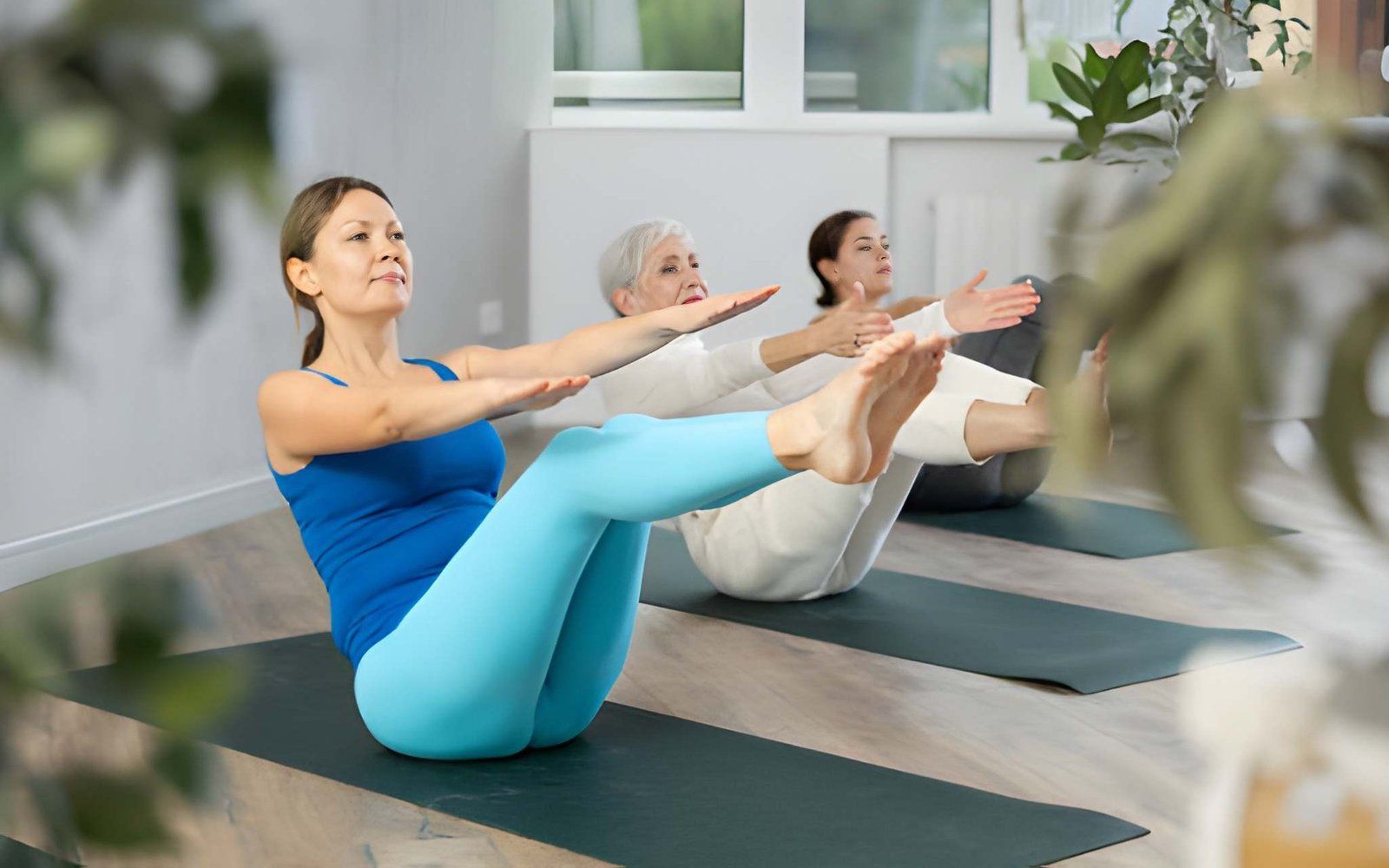
For some clients, private pilates sessions can complement massage by adding structured movement to a wellness routine. The focus is not on doing everything at once. It is about choosing practical habits that can be maintained over time.
How Massage Can Fit Into a Busy Schedule
One reason people skip self-care is that they feel they do not have enough time. However, wellness routines do not need to take up an entire day. A scheduled massage can create a set period where you step away from work, errands, and other responsibilities.
Bentley Bodies offers different massage session lengths, making it possible to choose an option that fits your schedule. The studio also provides personalized Pilates and wellness services in Bozeman.
A simple routine might look like:
- Schedule massage when muscle tension starts building.
- Take short movement breaks during workdays.
- Protect a regular bedtime.
- Add relaxing activities between busy periods.
- Review your routine when stress becomes harder to manage.
- Seek professional support if stress or anxiety becomes difficult to handle.
Consistency matters more than trying to make every wellness choice perfect.
What to Expect From a Massage Session
If you have never had a massage before, knowing what to expect can make the experience feel easier. Your therapist will usually want to understand your goals, areas of concern, and preferred pressure before beginning. You can also communicate during the session if the pressure does not feel comfortable.
The session itself may involve different techniques depending on your needs. You should feel comfortable asking questions before or during the appointment. A good massage experience should be based on clear communication and respect for your comfort.
Before your appointment, it can help to think about:
- What you want from the session
- Where you feel the most tension
- Whether you prefer light or firmer pressure
- Any areas you want the therapist to avoid
- Any health concerns you should discuss beforehand
What Happens After a Massage?
"After a massage", some people feel relaxed and refreshed, while others may feel tired. Your response can depend on the type of massage, pressure used, and your individual body. Drinking water, taking it easy for a short time, and noticing how you feel can help you understand how your body responds.
If you experience unusual or severe pain, swelling, dizziness, or another concerning symptom, contact a healthcare professional. Massage should always be used with appropriate care, especially when you have a medical condition or recent injury.
When Massage May Not Be Enough
Massage can be a useful wellness tool, but it has limits. If stress is making it difficult to work, sleep, maintain relationships, or enjoy everyday activities, it may be time to seek additional support. The same applies when anxiety feels persistent or difficult to control.
NCCIH notes that evidence for massage and anxiety is mixed and that massage has not been shown to treat generalized anxiety disorder. This is why massage is best viewed as complementary support rather than a medical treatment for anxiety.
Consider talking with a qualified professional if you are experiencing:
- Ongoing or severe anxiety
- Persistent feelings of hopelessness
- Major changes in sleep
- Stress that affects daily functioning
- Symptoms that continue despite lifestyle changes
- Physical symptoms that are new or unexplained
If you are unsure whether massage is appropriate for you, discuss your situation with your healthcare provider and your massage therapist before booking.
Making Stress Management More Sustainable
Managing stress is usually not about finding one perfect solution. It is about building a routine that supports your body and mind over time. Massage can be one part of that routine, especially when physical tension and the need for quiet recovery are part of your stress experience.
A sustainable plan should feel realistic. You might start with one change, such as taking regular breaks, improving your sleep schedule, or adding a relaxing activity. Once that habit feels manageable, you can build from there.
Helpful habits may include:
- Regular physical activity
- Consistent sleep
- Balanced meals
- Time away from screens
- Relaxation practices
- Social connection
- Regular self-care appointments
- Professional support when needed
This approach can make wellness feel less like another responsibility and more like a normal part of everyday life.
Conclusion
So, can massage therapy help with stress? It may. Massage can provide time to slow down, support physical relaxation, and help ease muscle tension. Some research also suggests that massage may reduce anxiety symptoms in certain situations, although the evidence is not strong enough to treat massage as a replacement for professional care.
The most useful approach is to view massage as one part of a larger wellness routine. Sleep, movement, healthy habits, relaxation, and appropriate professional support can all play a role in managing ongoing stress. At Bentley Bodies, personalized services are designed to support a balanced approach to physical and mental wellness.
Ready to make time for relaxation and self-care? Contact Bentley Bodies to explore massage options and find a session that fits your wellness goals.
Frequently Asked Questions
Can massage therapy reduce stress?
Massage therapy may help reduce stress by promoting relaxation and easing muscle tension. It can also provide a quiet break from daily demands. However, results vary from person to person, and massage should be part of a broader approach to managing ongoing stress.
How often should I get a massage for stress?
There is no set schedule that works for everyone. Some people may benefit from occasional sessions during stressful periods, while others may prefer regular appointments as part of their wellness routine. Your massage therapist can help you choose a schedule based on your needs and goals.
Is massage good for anxiety?
Massage may help some people feel more relaxed and may reduce short-term anxiety symptoms. However, it is not a treatment for anxiety disorders. If anxiety is persistent or affects your daily life, consider speaking with a qualified healthcare or mental health professional.
What type of massage is best for stress relief?
A gentle massage may be a good choice when relaxation is the main goal. More focused techniques may be helpful when muscle tension is also a concern. The best option depends on your comfort level, physical needs, and goals for the session.
Can massage help with burnout?
Massage may provide temporary relaxation and help ease physical tension associated with stressful periods. However, burnout usually requires a broader approach that may include rest, healthy boundaries, lifestyle changes, social support, and professional guidance when needed.