What Happens After a Massage? Understanding How Your Body Recovers
Contact Us
What happens after a massage can vary from person to person, but many people notice changes as soon as they leave the treatment room. Your muscles may feel looser, your mind may feel calmer, and you may want to rest. These effects can be part of your body's response to touch, pressure, and relaxation. Massage therapy may also provide short-term relief for some types of pain and muscle tension.
The hours after a massage are also important. Simple choices such as drinking water, eating well, moving gently, and allowing your body to rest can help you feel comfortable. Understanding the normal changes can also help you know when something needs more attention.
Key Takeaways
- You may feel relaxed, calm, or tired after a massage.
- Muscles can feel less tight and easier to move.
- Some people experience mild soreness after deeper work.
- Gentle movement and normal hydration can support comfort.
- Massage effects can be short-term and vary from person to person.
- Severe or unusual symptoms should not be ignored.
What Happens After a Massage Right Away?
What happens after a massage often starts with a feeling of relaxation. The body has just spent time receiving focused pressure and movement, while you may have been lying quietly in a calm setting. Some people feel refreshed, while others feel sleepy. The response depends on the massage style, pressure used, areas treated, and your own body.
You may notice:
- Less muscle tension
- A calmer mood
- A temporary feeling of lightness
- Reduced stiffness
- Sleepiness or relaxation
- Greater awareness of certain muscles
The goal is not for every person to feel the same way. A gentle Swedish massage may leave you feeling deeply relaxed, while a deeper treatment may make the muscles feel worked.
How Your Muscles May Feel After Treatment
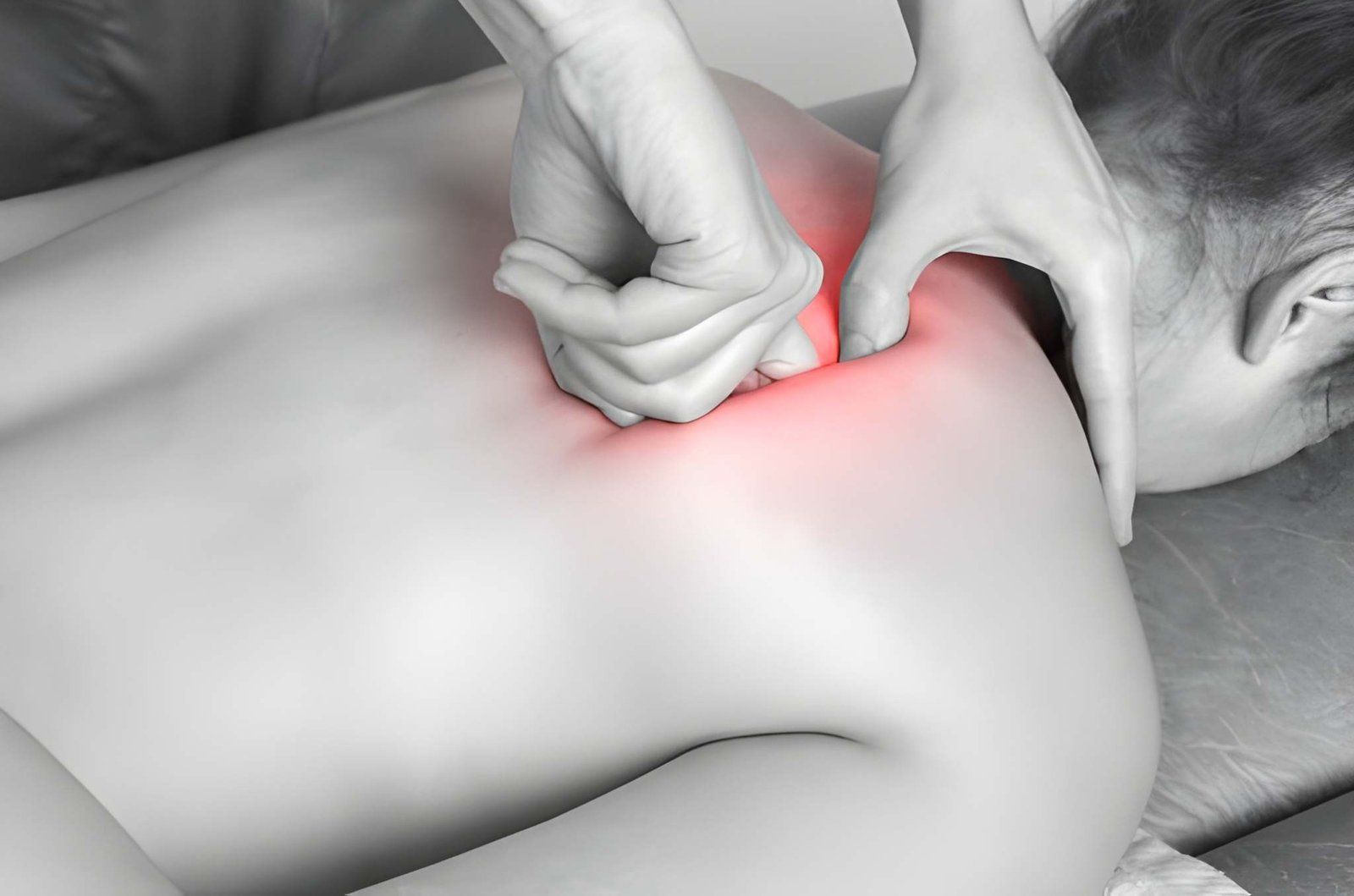
Massage places pressure and movement on soft tissues. This can make tight areas feel different after a session. If you had a lot of tension before the massage, you may notice that certain movements feel easier afterward.
Some people may also have mild tenderness, especially after a deeper session. This does not always mean that something is wrong. However, massage should not leave you with severe or lasting pain.
Massage may be used as part of a broader approach to muscle comfort and recovery. Research has explored its effects on pain, muscle tension, range of motion, and recovery, although results vary across studies.
Common Muscle Changes
You may notice:
- Muscles feel softer or less tight.
- Stiff areas may feel more mobile.
- Your range of motion may temporarily feel better.
- Mild soreness may occur after deeper work.
- Areas that were tense may feel more noticeable.
These changes are usually temporary and should be considered alongside your overall health and activity level.
Does Massage Improve Circulation?
One reason people ask what happens after a massage is because they notice warmth or a different sensation in the treated area. Massage involves mechanical pressure and movement of soft tissue. Research has explored how massage may affect blood flow and muscle tissue, but claims about major circulation changes should be made with care.
The sensation of warmth after treatment can feel pleasant, especially in areas that were tight before the session. Still, massage should not be viewed as a replacement for medical treatment of circulation problems.
What You May Notice
- Warmth in treated areas
- A relaxed feeling in the muscles
- Temporary changes in how your body feels
- Easier movement in stiff areas
- A general sense of comfort
If you have a known circulation disorder or another medical condition, talk with your healthcare provider about whether massage is suitable for you.
The Role of Relaxation After a Massage
Relaxation is one of the most noticeable massage therapy benefits for many people. During a massage, you have time away from work, screens, exercise, and other daily demands. This quiet period can help you slow down and focus on how your body feels.
Massage is often used to support wellness and relaxation, although research on specific health outcomes varies. The "National Center for Complementary and Integrative Health" notes that massage has been studied for several pain conditions and other symptoms, with evidence differing by condition.
Signs That Your Body Is Relaxing
- Slower, calmer breathing
- Less awareness of muscle tension
- A quieter mind
- Sleepiness
- A feeling of physical comfort
- Less desire to rush into activity
Give yourself time to enjoy this state instead of immediately filling your schedule with demanding tasks.
What Happens During Post-Massage Recovery?
Post-massage recovery does not need to be complicated. Your body continues to respond after you leave the studio. You may feel relaxed right away, while other sensations develop over the next several hours.
The best approach is to listen to your body. You do not need to follow extreme recovery routines or treat normal sensations as signs that toxins are leaving your body. Instead, focus on basic self-care and give your body time to settle.
Simple Ways to Support Recovery
- Drink fluids according to your normal needs.
- Eat a balanced meal if you are hungry.
- Take a gentle walk if it feels comfortable.
- Avoid pushing through strong soreness.
- Get enough sleep.
- Pay attention to how your body feels.
There is no need to force a workout or intense stretch after a massage.
Can You Exercise After a Massage?
Whether you should exercise after a massage depends on the type of treatment and how your body feels. A gentle massage may not interfere with normal activity, while a deeper session may leave muscles feeling tender.
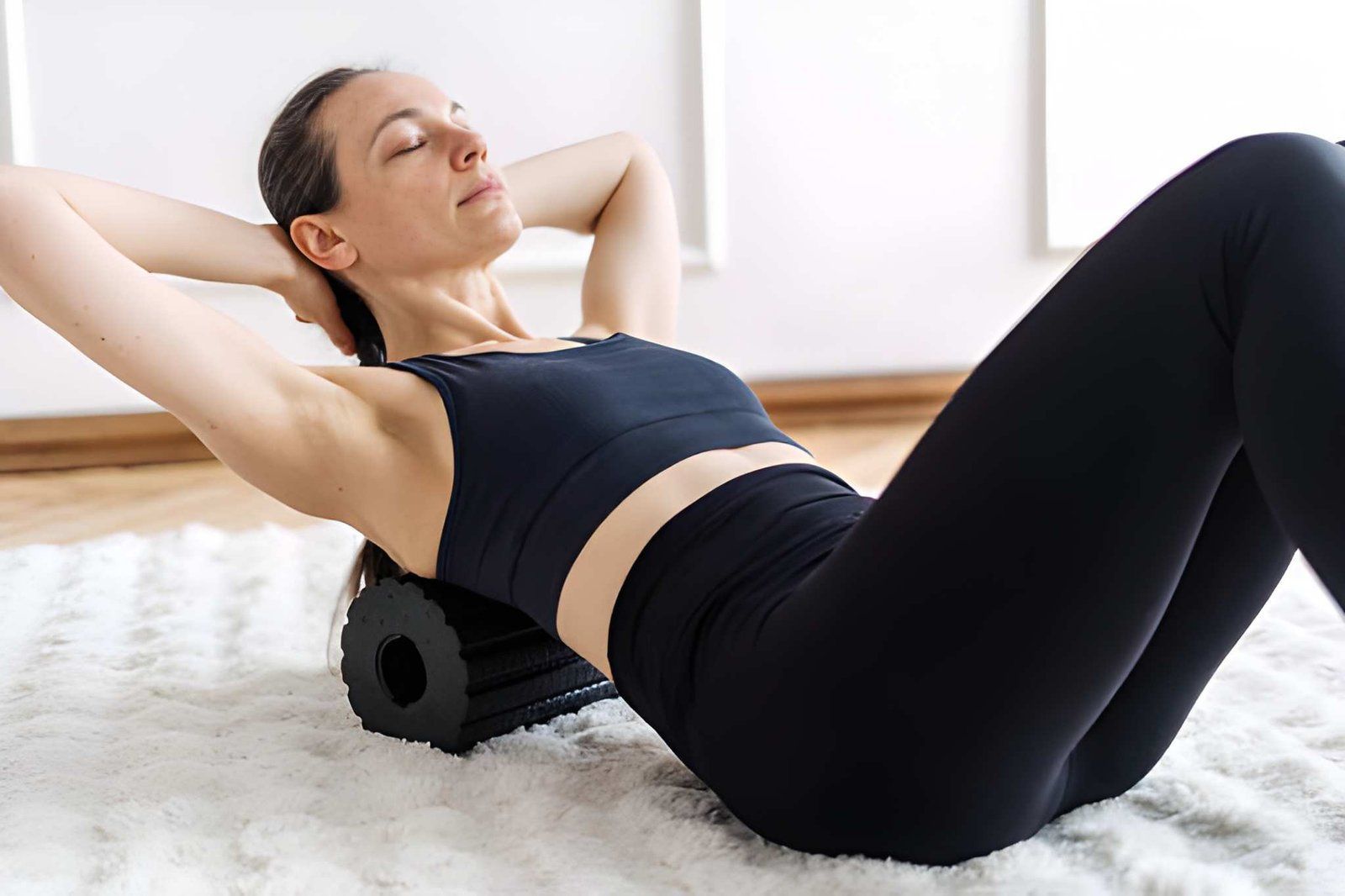
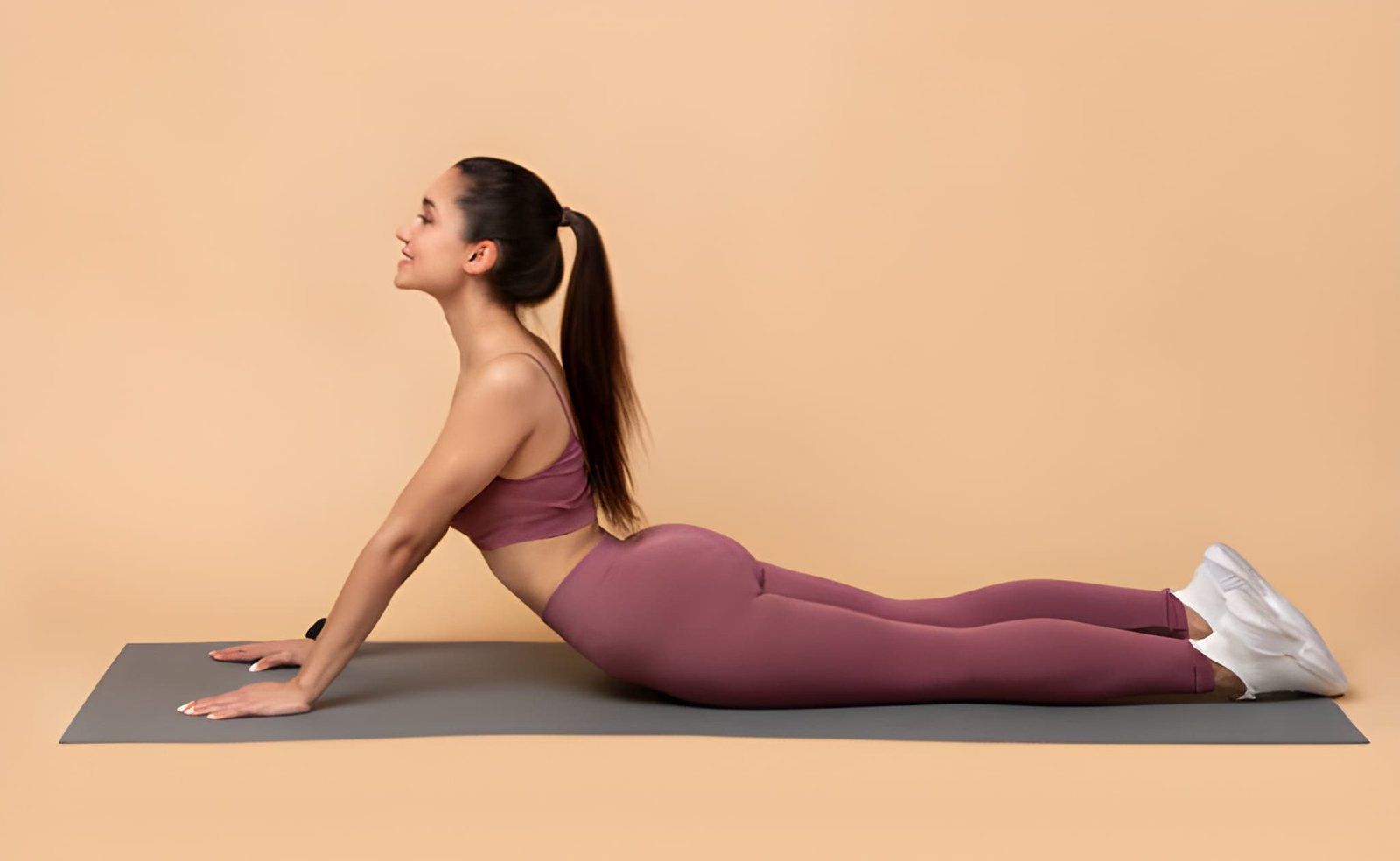
If you plan to exercise, consider choosing light movement instead of a very demanding workout. A walk, gentle mobility work, or easy activity may be more comfortable than heavy lifting or intense training.
Consider These Factors
- The pressure used during your massage
- How sore or relaxed you feel
- The type of exercise you planned
- Whether you had an injury
- Your normal activity level
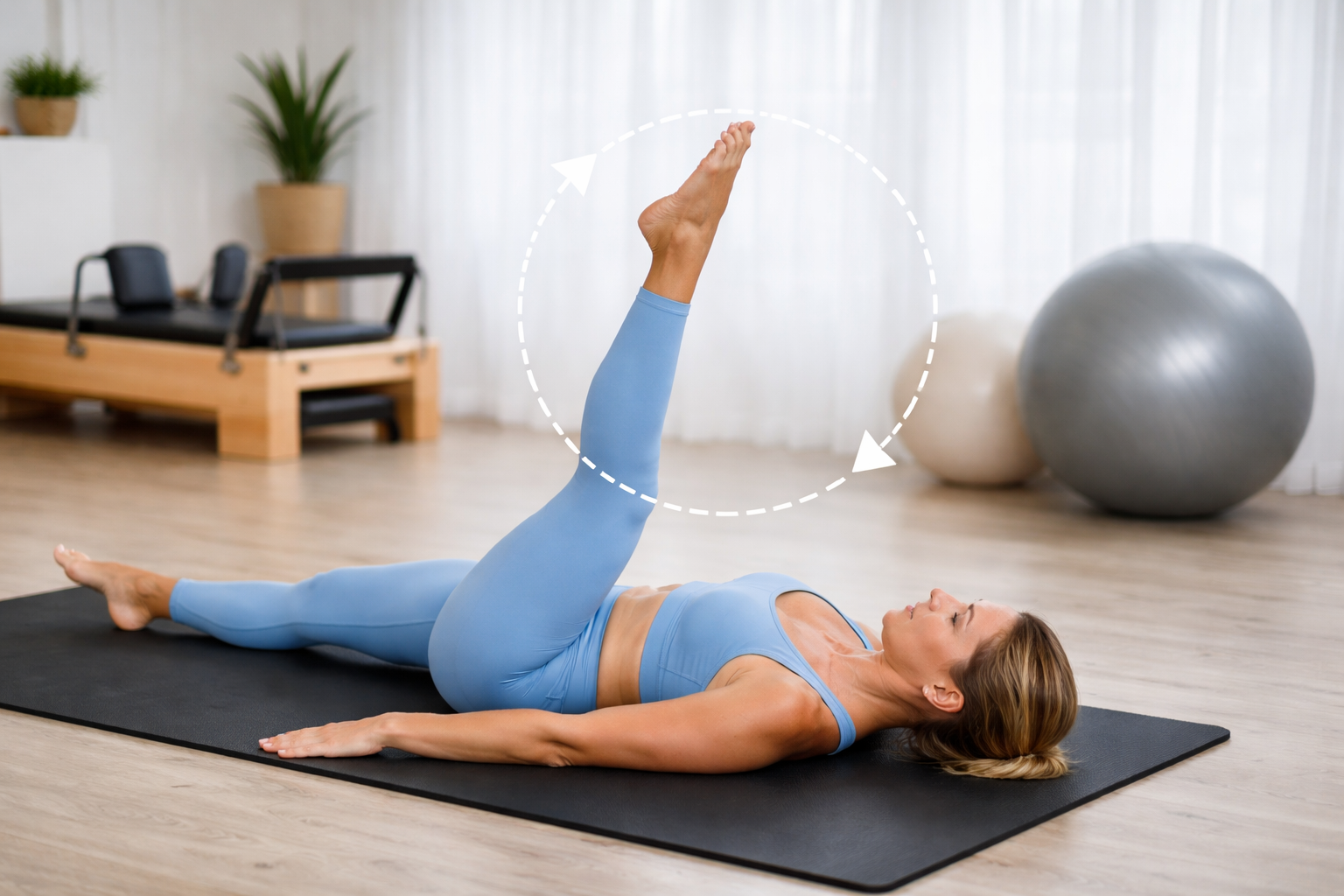
For people who combine movement and bodywork, private pilates sessions can provide a separate, personalized way to work on strength, mobility, and body awareness.
How Long Do Massage Effects Last?
The answer depends on the person and the reason for the massage. Some people feel relaxed for several hours, while others notice changes in muscle comfort for longer. Research suggests that massage may provide short-term benefits for certain pain conditions, but the strength of evidence differs by condition.
This is why it is better to think of massage as one part of a larger wellness routine rather than a one-time fix for every physical problem.
Factors That Can Affect Your Response
- Massage type
- Pressure level
- Treatment length
- Areas treated
- Your activity level
- Sleep and stress
- Existing muscle tension
Regular care may be useful for some people, but the right schedule should match your needs rather than following a fixed rule.
What Should You Avoid After a Massage?
After treatment, most people can return to normal daily activities. However, it may be helpful to avoid anything that makes you feel uncomfortable. If your body feels tired or tender, pushing through a hard workout may not be the best choice.
The same applies to stretching. Gentle movement can feel good, but aggressive stretching immediately after a deep massage may add more stress to already worked muscles.
Give Your Body a Break From
- Very intense exercise
- Aggressive stretching
- Ignoring strong pain
- Long periods of strenuous activity
- Activities that make soreness worse
The aim is simple: allow your body to settle and return to your normal routine at a comfortable pace.
When Is Soreness After Massage Normal?
Mild soreness can happen after a massage, especially when deeper pressure is used. Your muscles may feel as though they received a workout. This feeling should generally improve rather than become increasingly painful.
However, severe pain, significant swelling, weakness, numbness, or other unusual symptoms should not simply be blamed on massage. The NCCIH notes that massage is generally considered low risk when performed by a trained practitioner, but rare serious adverse effects have been reported.
Contact a Healthcare Professional If You Notice
- Severe or worsening pain
- Significant swelling
- New weakness or numbness
- Trouble breathing
- Chest pain
- Other symptoms that concern you
If you have a health condition or are unsure whether massage is appropriate, speak with your healthcare provider before treatment.
How Massage Fits Into a Broader Wellness Routine
Massage can be one part of a larger plan for taking care of your body. Movement, sleep, nutrition, stress care, and regular medical attention all play important roles in overall health.
At Bentley Bodies, massage is offered alongside Pilates and wellness-focused services. The studio provides different massage approaches and personalized care based on individual needs.
For example, combining massage therapy with appropriate movement may help you build a more balanced self-care routine. The goal is not to rely on one service for every wellness need. Instead, each part can support a different area of your overall routine.
What Can You Do to Feel Your Best After Massage?
The hours after a massage are a good time to slow down and notice how your body responds. You do not need an elaborate recovery plan. Basic habits are often enough to support comfort and help you understand what works best for you.
A Simple After-Massage Checklist
- Drink fluids normally throughout the day.
- Eat when you feel hungry.
- Choose gentle movement if it feels good.
- Rest if you feel tired.
- Avoid intense activity if your muscles are sore.
- Notice changes in pain, tension, and mobility.
- Schedule future sessions based on your personal needs.
If you regularly exercise, "Achieve Your Fitness Goals" by pairing sensible recovery with consistent movement instead of relying on occasional intense efforts.
Conclusion
Understanding what happens after a massage can help you make better choices about rest, movement, and self-care. You may feel relaxed, notice less muscle tension, or experience mild soreness after deeper work. These responses can differ from one person to another.
Massage can be a useful part of a balanced wellness routine, but it works best alongside healthy movement, sleep, nutrition, and appropriate medical care. The body's response also depends on the type of massage and your individual needs.
Ready to make massage part of your wellness routine? Contact Bentley Bodies to discuss a personalized massage session in Bozeman.
Frequently Asked Questions
Should I drink water after a massage?
Normal hydration is a sensible part of general self-care after a massage. You do not need to force large amounts of water. Drink according to your thirst and normal hydration needs.
Is it normal to feel tired after a massage?
Yes. Some people feel sleepy or deeply relaxed after treatment. If you feel tired, giving yourself some quiet time may be more comfortable than jumping straight into demanding activity.
Can a massage help muscle recovery?
Massage has been studied for effects related to muscle recovery and performance, but results vary. It may help with feelings of muscle soreness or tension for some people, but it should not replace proper rest or medical care when needed.
How long should I rest after a massage?
There is no universal rest period. If you feel comfortable, you can return to normal activities. If you feel tired or sore, choose lighter activity and allow your body more time to recover.
Can I get a massage if I have a medical condition?
It depends on the condition and the type of massage. Some health problems may require extra precautions. Discuss massage with your healthcare provider when you have concerns or a known medical condition.